


Integrating zero trust principles into private cloud environments isn't just about hardening the perimeter anymore; that ship sailed ages ago. It's about containing an adversary once they inevitably breach that perimeter. Lateral segmentation is your primary weapon here. We're not talking about broad network zones; we're talking about micro-segmentation, granular control, and making every hop an authenticated, authorized decision point. This isn't theoretical; more than 50% of companies worldwide have either partially or fully implemented a zero trust strategy, according to Gartner's survey data presented in Zero Trust Architecture: A Systematic Literature Review. It's becoming the standard, not an aspiration.
Adversaries will get in. Your focus needs to shift from absolute prevention, which is a losing battle, to rapid detection and containment. Lateral movement is how attackers escalate privileges, discover critical assets, and ultimately exfiltrate data. By segmenting your private cloud laterally, you create smaller blast radii, making it exponentially harder for an attacker to move from a compromised application server to a sensitive database or management plane. This article focuses on the operational reality, the “what breaks” and “how to fix it” aspect of deploying true zero trust lateral segmentation in a private cloud.
Understanding the Production Impact
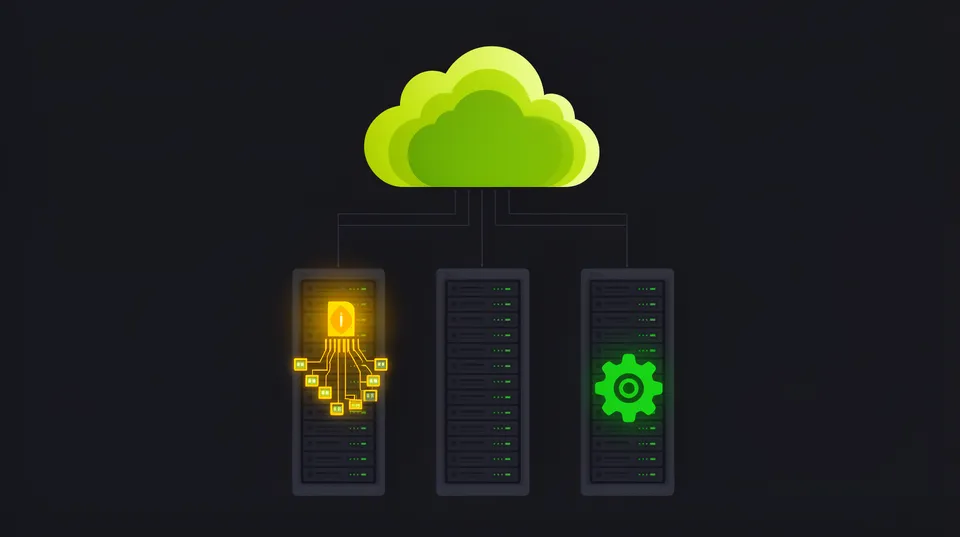
Let's be blunt: implementing lateral segmentation without careful planning will break things. Lots of things. Network flows you didn't even know existed will suddenly hit a firewall rule they can't traverse. Applications will cease to communicate, microservices will drop connections, and your developers will be on fire. This isn't a “set it and forget it” security control; it's a fundamental shift in how your network and applications interact.
Increased Operational Overhead
Initially, you'll see a significant increase in operational overhead. Every new application, every service update, every change to an existing workload might require a corresponding policy update. Without automation, this becomes a bottleneck, forcing developers to wait for security approvals or, worse, for security teams to manually craft and apply rules. This friction can drive teams to find workarounds, creating shadow IT and eroding your security posture from within.
Application Performance Considerations
Firewall inspection, especially deep packet inspection (DPI), adds latency. While modern virtual firewalls and network policies are highly optimized, a poorly designed segmentation strategy or overloaded enforcement points can impact application performance. You need to benchmark before and after implementation, especially for latency-sensitive applications. If it slows down the business, it's a problem, regardless of how secure it makes you.
Debugging Nightmares
When an application fails to communicate, debugging becomes significantly more complex. Is it a code issue? A network issue? Or is it a segmentation policy blocking the traffic? Expect increased Mean Time To Resolution (MTTR) for application outages if your teams aren't equipped with the right tools and processes to diagnose policy-related issues. Centralized logging and visibility into policy enforcement are non-negotiable here.
Defining Your Segmentation Strategy
Before touching any configuration, you need a clear strategy. This isn't just a security exercise; it's an architecture discussion involving application owners, network engineers, and operations teams. You need to map out your application dependencies comprehensively.
Phase 1: Discovery and Baselines
- Asset Inventory: Know everything running in your private cloud. This includes VMs, containers, functions, databases, and network devices. Tagging is critical here. If you don't know what it is, you can't protect it. Consider robust asset tagging strategies.
- Traffic Flow Analysis: Install network monitoring tools. Observe all traffic patterns over a period that captures typical workload behavior. Identify which services communicate with each other, on what ports, and using what protocols.
- Dependency Mapping: Collaborate with application teams. Get their input on what services their applications require. This step often uncovers undocumented dependencies. Tools that can dynamically map these dependencies are invaluable.
- Policy Generation (Audit Mode): Start defining policies in “audit mode” or “monitor mode” where possible. This lets you see what traffic would be blocked without actually enforcing it, giving you a chance to refine policies.
Phase 2: Granular Policy Enforcement
Once you have a solid understanding of your environment, you can start enforcing policies. This should be an iterative process, starting with less critical zones or applications and gradually expanding.
- Workload Identity: Move beyond IP addresses. Use workload identities (e.g., Kubernetes service accounts, VM metadata, host-based certificates) to define policy. This binds security to the workload, not its ephemeral network address.
- Least Privilege Access: Every communication should adhere to the principle of least privilege. If a microservice only needs to talk to a database on port 5432, only allow that specific flow. Block everything else by default.
- Contextual Policies: Incorporate context into your policies, such as user identity, device posture, and application criticality. A developer accessing a staging environment might have different access rights than a production engineer.
Choosing Your Enforcement Points
Private clouds offer various points for lateral segmentation enforcement. You'll likely use a combination.
1. Host-Based Firewalls (e.g., Linux iptables/eBPF, Windows Firewall)
Impact: Fine-grained control, but manual management can be a nightmare. Scales poorly for dynamic environments. Misconfigurations can easily block critical OS functions.
Actionable Steps:
- Deploy Centralized Management: For Linux, consider tools like Ansible, Puppet, or Kubernetes Network Policies (which often utilize iptables or eBPF under the hood).
- eBPF for Modern Workloads: For newer kernels and containerized environments, eBPF offers programmatic control over network traffic at a low level, with better performance than traditional iptables.
# Example: Basic iptables rule to allow HTTP/S from specific internal subnet
iptables -A INPUT -p tcp --dport 80 -s 10.0.0.0/24 -j ACCEPT
iptables -A INPUT -p tcp --dport 443 -s 10.0.0.0/24 -j ACCEPT
iptables -P INPUT DROP # Default to drop
This is rudimentary. Real-world eBPF frameworks (like Cilium) abstract much of this complexity.
2. Virtual Firewalls/Network Microsegmentation Platforms
Impact: Dedicated appliances (virtual or physical) or software-defined networking (SDN) solutions that provide network-level enforcement, often with advanced features like DPI, IDS/IPS. Can be a performance bottleneck if not scaled correctly.
Actionable Steps:
- Vendor Selection: Evaluate solutions like VMware NSX, Cisco ACI, or open-source alternatives like OpenStack Neutron with firewall-as-a-service.
- Integration with Orchestration: Ensure your chosen solution integrates with your private cloud orchestration (e.g., vSphere, OpenStack, Kubernetes) for automated policy deployment.
- Define Security Groups/Policies: Understand policy constructs. For instance, in VMware NSX, you'd define Security Groups that contain VMs, then apply distributed firewall rules between these groups.
Example (Conceptual NSX-T policy via API/Terraform):
resource "nsxt_policy_security_group" "app_tier" { display_name = "app-tier-sg" description = "Application Tier Security Group" member_type = "VirtualMachine" criteria { condition { key = "Tag.Scope.Application" member_type = "VirtualMachine" operator = "EQUALS" value = "myapp" } }
} resource "nsxt_policy_security_group" "db_tier" { display_name = "db-tier-sg" description = "Database Tier Security Group" member_type = "VirtualMachine" criteria { condition { key = "Tag.Scope.Application" member_type = "VirtualMachine" operator = "EQUALS" value = "mydb" } }
} resource "nsxt_policy_security_policy" "app_to_db_policy" { display_name = "app-to-db-policy" category = "Application" scope = [nsxt_policy_security_group.app_tier.path, nsxt_policy_security_group.db_tier.path] rule { display_name = "Allow Postgres from App Tier" action = "ALLOW" source_groups = [nsxt_policy_security_group.app_tier.path] destination_groups = [nsxt_policy_security_group.db_tier.path] services = ["/infra/services/PostgreSQL"] logged = true }
}
3. Kubernetes Network Policies
Impact: Native, declarative segmentation for containerized workloads. Essential for securing a Kubernetes environment. Misconfigured policies can lead to service outages.
Actionable Steps:
- Implement Default Deny: Start with a default deny policy for all pods in a namespace, then meticulously add allow rules.
- Namespace Segmentation: Use Kubernetes namespaces as a primary segmentation boundary.
- Tools: Use a CNI plugin that supports Network Policies (e.g., Calico, Cilium, Weave Net).
Example Kubernetes Network Policy:
apiVersion: networking.k8s.io/v1
kind: NetworkPolicy
metadata: name: default-deny-all namespace: my-app-prod
spec: podSelector: {} policyTypes: - Ingress - Egress
---
apiVersion: networking.k8s.io/v1
kind: NetworkPolicy
metadata: name: allow-app-to-db namespace: my-app-prod
spec: podSelector: matchLabels: app: database ingress: - from: - podSelector: matchLabels: app: web-app ports: - protocol: TCP port: 5432
4. API Gateways & Service Meshes (e.g., Istio, Linkerd)
Impact: Application-layer segmentation, offering identity-aware access control, encryption, and telemetry. More complex to implement but provides the deepest level of zero trust enforcement.
Actionable Steps:
- Pilot Program: Begin with a single application or a small set of microservices to understand the operational impact.
- Mutual TLS (mTLS): Enforce mTLS for all service-to-service communication. This ensures every service validates the identity of its peer.
- Authorization Policies: Define granular authorization policies based on service identity, path, and HTTP methods.
Example Istio Authorization Policy:
apiVersion: security.istio.io/v1beta1
kind: AuthorizationPolicy
metadata: name: productpage-viewer-policy namespace: default
spec: selector: matchLabels: app: productpage action: ALLOW rules: - from: - source: principals: ["cluster.local/ns/default/sa/reviews"] # Allow only 'reviews' service account to: - operation: methods: ["GET"] paths: ["/products/*"]
Rollback Strategies and Operational Consequences
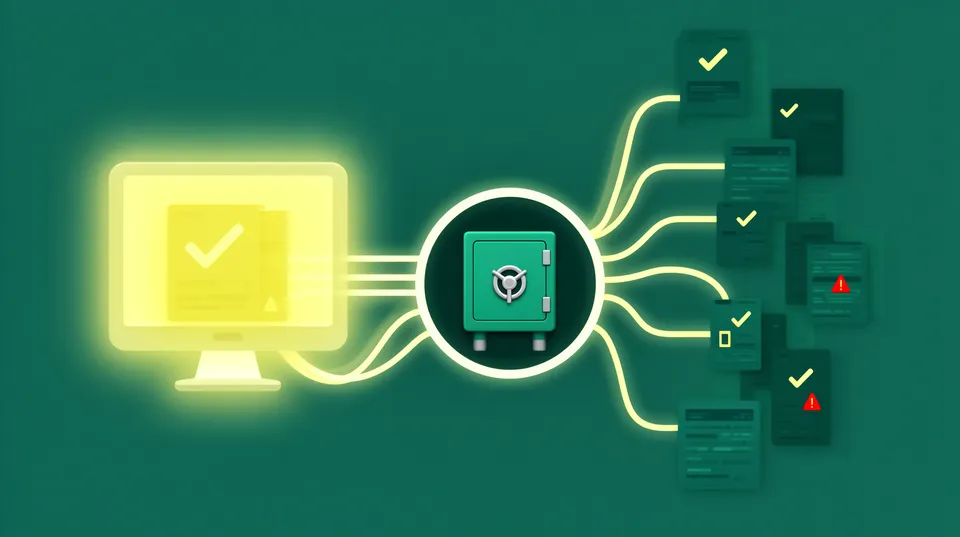
Rollbacks are critical. Your segmentation strategy must include a clear, tested rollback plan for every phase. The primary strategy should always be to “fail open” or “revert to permit all” in severe incidents, with the understanding that this temporarily degrades your security posture. This is where automated remediation playbooks become invaluable.
Pre-computation of Impact
Before any policy deployment, use tools (or develop scripts) to pre-compute the potential impact. Can the new policy block an existing, critical flow? Many commercial microsegmentation platforms offer this “what-if” analysis.
Gradual Enforcement
Never deploy broad policies across production simultaneously. Implement in phases:
- Monitoring/Audit Mode: As discussed, watch what would be blocked.
- Staging Environments: Push production-like traffic to staging and test policies there first.
- Smallest Production Segment: Target a single application or a small, isolated group of resources.
- A/B Testing or Canary Deployments: If your infrastructure supports it, gradually roll out policies to a small percentage of traffic.
Automated Rollback Triggers
Define clear metrics that indicate a policy failure: increased latency, dropped connections, application errors. Tie these metrics to automated rollback triggers. If X occurs, revert policy Y. This isn't just about speed; it's about reducing human error under pressure.
Blast Radius Minimization
Lateral segmentation inherently reduces the blast radius of a breach. If an attacker compromises a frontend web server, rigorous segmentation means they can't immediately pivot to your financial database. The recent Cisco Firewall and VPN Zero Day Attacks (CVE-2025-20333 and CVE-2025-20362) highlight the persistent threat of perimeter breaches. Once an attacker bypasses the edge, lateral movement is their next step. Containment becomes paramount.
Consider the CVE-2025-68613 vulnerability impacting n8n platforms. Without lateral segmentation, an exploit of such a platform could grant an attacker free reign across your internal network. With it, the scope of compromise is limited to just that application's allowed communications.
Monitoring, Auditing, and Automation
Post-implementation, continuous monitoring and auditing are non-negotiable. This isn't a one-time project. It's a continuous process of refinement.
Centralized Logging and Alerting
Every enforcement point must log its actions. Centralize these logs in a SIEM or logging platform. Generate alerts for unexpected denied traffic, policy violations, or attempts to bypass controls. You can't fix what you can't see. Your SOC alerts need to be actionable, not just noise.
Policy Drift Detection
Infrastructure as Code (IaC) is crucial for managing your segmentation policies. Store policies in a version-controlled repository. Use validation tools to detect any drift from your desired state. Tools like Open Policy Agent (OPA) can validate policies against a desired state or compliance requirements before they're even deployed.
Continuous Validation
Automate testing of your segmentation policies. Implement regular penetration tests that specifically try to bypass your lateral segmentation controls. Just because a policy is deployed doesn't mean it's effective. Validate your remediation validation process. Regularly review policies to ensure they're still relevant and not overly permissive.
Leveraging Automation for Policy Management
Manually managing hundreds or thousands of granular policies is impossible. You need automation:
- IaC for Policies: Define network policies using frameworks like Terraform, Ansible, or vendor-specific IaC for NSX-T, ACI, etc.
- Policy-as-Code Pipelines: Integrate policy creation and deployment into your CI/CD pipelines. Policies should undergo the same review and testing as application code.
- Dynamic Policy Generation: For highly dynamic environments, consider solutions that can auto-generate policies based on workload discovery and observed behavior, then put them into audit mode for human review.
Challenges and Mitigations
Several challenges will arise during this journey.
Legacy Applications
These are often the hardest to segment because they might have undocumented dependencies, use outdated protocols, or require broad access. Isolate legacy apps first into their own segments. Apply the strictest rules you can manage, then monitor aggressively.
Cultural Resistance
Engineers are used to flat networks or broad zones. Zero trust requires a shift in mindset. You'll face resistance from teams who see it as “security breaking my app.” Education, clear communication, and demonstrating the security benefits are crucial. Involve teams early in the design process.
Tool Sprawl
Too many tools managing different aspects of segmentation can lead to complexity and gaps. Aim for a unified platform or an orchestration layer that can manage policies across heterogeneous environments. For private clouds, this often means integrating with your virtualization or container orchestration platform.
Lateral segmentation is not a silver bullet, but it's a critical component of a robust zero trust architecture for your private cloud. It demands planning, continuous effort, and a commitment to automation. The short-term pain of operational challenges is a small price to pay for the significant reduction in blast radius and improved containment capabilities it provides against increasingly sophisticated threat actors. It’s about making every adversary’s lateral step a mountain to climb, not a stroll in the park.
Frequently Asked Questions
What is the biggest operational risk when implementing lateral segmentation?
The single biggest operational risk is unpredicted application outages. Without meticulous discovery and dependency mapping, applying segmentation policies can inadvertently block critical inter-service communication, bringing applications to a halt. This often stems from incomplete documentation or unknown shadow IT components. A solid rollback plan and starting in audit mode are crucial to mitigate this, allowing you to observe and refine policies before enforcement. It's vital to have strong monitoring in place that can identify blocked traffic flows immediately.
How can I avoid excessive operational overhead after implementation?
Automation is your key defense against excessive operational overhead. Leverage Infrastructure as Code (IaC) to define and manage your segmentation policies, integrating them into your CI/CD pipelines. This treats policies like code, allowing for version control, automated testing, and rapid deployment. Furthermore, utilize policy-as-code tools like Open Policy Agent (OPA) to enforce guardrails and ensure new policies adhere to security standards automatically, reducing manual review time. Dynamic policy generation tools can also assist in adapting to rapidly changing environments, provided they have a strong audit and approval process.
How does lateral segmentation specifically help against zero-day exploits?
Lateral segmentation drastically reduces the impact of a zero-day exploit by limiting an attacker's ability to move within your network after an initial compromise. Even if a perimeter defense fails and a zero-day exploit (like the Cisco Firewall and VPN Zero Day Attacks) grants an attacker a foothold, lateral segmentation means they can't immediately access other critical systems. Each subsequent resource access attempt is met with an explicit “allow” or “deny” decision, often requiring renewed authentication and authorization, severely hindering horizontal movement and containing the breach's blast radius.
What's the role of Identity and Access Management (IAM) in lateral segmentation?
IAM plays a foundational role in achieving true zero trust lateral segmentation. Instead of relying solely on network perimeters, zero trust policies establish trust based on authenticated and authorized identities for every single access request, whether it's user-to-application or service-to-service. Integrating IAM with your segmentation controls allows for identity-aware policies, where access decisions are made not just on source/destination IP but on who or what is making the request, and whether they possess the necessary privileges. This fundamentally strengthens the “never trust, always verify” principle.
Can I implement lateral segmentation in a mixed private cloud environment (VMs and Containers)?
Absolutely, and it's a common scenario. Implementing lateral segmentation in a mixed environment typically involves a multi-layered approach. For VMs, you'd leverage virtual firewalls like VMware NSX or host-based firewalls. For containerized workloads, native Kubernetes Network Policies are essential, often augmented by service mesh solutions like Istio or Linkerd for application-layer control, including mutual TLS. The key is to have a cohesive strategy and potentially an overarching policy management platform that can translate and enforce rules across these disparate technologies, treating each workload as an individual segmentable entity regardless of its underlying infrastructure.

Tamnoon helps security teams remediate cloud risks faster with AI-augmented managed services — combining human expertise with automation so nothing falls through the cracks.
Learn more at tamnoon.ioFAQs
What is the biggest operational risk when implementing lateral segmentation?
The single biggest operational risk is unpredicted application outages. Without meticulous discovery and dependency mapping, applying segmentation policies can inadvertently block critical inter-service communication, bringing applications to a halt. This often stems from incomplete documentation or unknown shadow IT components. A solid rollback plan and starting in audit mode are crucial to mitigate this, allowing you to observe and refine policies before enforcement. It's vital to have strong monitoring in place that can identify blocked traffic flows immediately.
How can I avoid excessive operational overhead after implementation?
Automation is your key defense against excessive operational overhead. Leverage Infrastructure as Code (IaC) to define and manage your segmentation policies, integrating them into your CI/CD pipelines. This treats policies like code, allowing for version control, automated testing, and rapid deployment. Furthermore, utilize policy-as-code tools like Open Policy Agent (OPA) to enforce guardrails and ensure new policies adhere to security standards automatically, reducing manual review time. Dynamic policy generation tools can also assist in adapting to rapidly changing environments, provided they have a strong audit and approval process.
How does lateral segmentation specifically help against zero-day exploits?
Lateral segmentation drastically reduces the impact of a zero-day exploit by limiting an attacker's ability to move within your network after an initial compromise. Even if a perimeter defense fails and a zero-day exploit (like the <a href="https://securityboulevard.com/2025/09/cisco-firewall-and-vpn-zero-day-attacks-cve-2025-20333-and-cve-2025-20362/">Cisco Firewall and VPN Zero Day Attacks</a>) grants an attacker a foothold, lateral segmentation means they can't immediately access other critical systems. Each subsequent resource access attempt is met with an explicit “allow” or “deny” decision, often requiring renewed authentication and authorization, severely hindering horizontal movement and containing the breach's blast radius.
What's the role of Identity and Access Management (IAM) in lateral segmentation?
IAM plays a foundational role in achieving true zero trust lateral segmentation. Instead of relying solely on network perimeters, zero trust policies establish trust based on authenticated and authorized identities for every single access request, whether it's user-to-application or service-to-service. Integrating IAM with your segmentation controls allows for identity-aware policies, where access decisions are made not just on source/destination IP but on <em>who</em> or <em>what</em> is making the request, and whether they possess the necessary privileges. This fundamentally strengthens the “never trust, always verify” principle.
Can I implement lateral segmentation in a mixed private cloud environment (VMs and Containers)?
Absolutely, and it's a common scenario. Implementing lateral segmentation in a mixed environment typically involves a multi-layered approach. For VMs, you'd leverage virtual firewalls like VMware NSX or host-based firewalls. For containerized workloads, native Kubernetes Network Policies are essential, often augmented by service mesh solutions like Istio or Linkerd for application-layer control, including mutual TLS. The key is to have a cohesive strategy and potentially an overarching policy management platform that can translate and enforce rules across these disparate technologies, treating each workload as an individual segmentable entity regardless of its underlying infrastructure.