

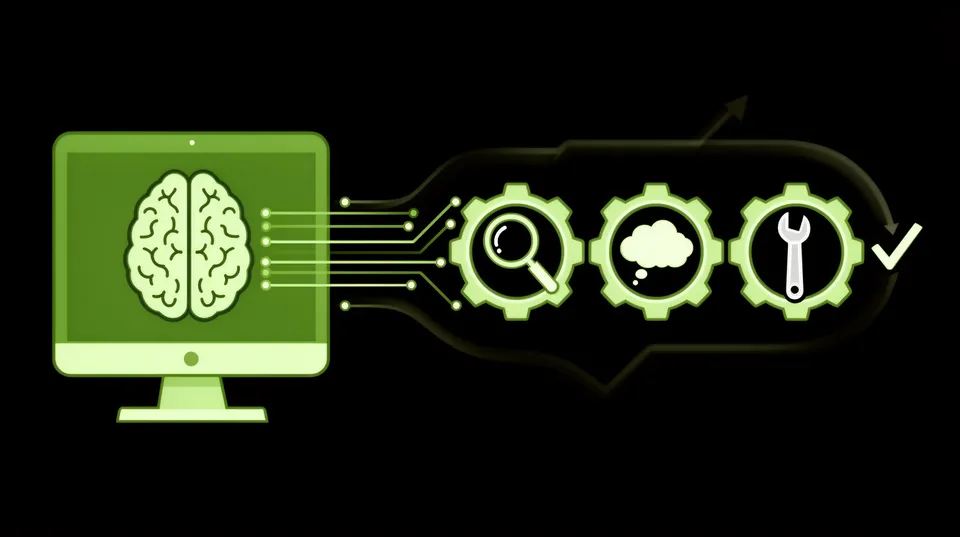
Security teams today are drowning in a sea of alerts, struggling to move beyond detection to swift, production-safe remediation. Organizations need to automate remediation to effectively manage cloud security alert backlogs and reduce their mean time to remediate (MTTR). Fixing issues at scale without breaking production is the challenge. Current CNAPPs, CSPMs, and other detection tools generate thousands of alerts daily, highlighting vulnerabilities, misconfigurations, and compliance deviations. This volume creates significant alert fatigue, making it impossible for human teams to address every reported issue promptly. The sheer number of findings, coupled with complex cloud environments, makes manual remediation slow, error-prone, and a major bottleneck for security posture improvement. Remediation Operations, or RemOps, addresses this by orchestrating the entire fix lifecycle.
The operational reality for many SecOps teams involves an endless stream of tickets. Manual investigation of each alert to determine its true blast radius, potential impact, and the necessary steps for remediation consumes valuable engineering hours. A significant portion of detected issues remain unaddressed, creating a substantial remediation backlog. At the end of May 2026, 53% of CNAPP detections remained open across 800 accounts observed in a Tamnoon study. Of those, 6.3% were connected to a Crown Jewel asset, underscoring the critical risks associated with unaddressed alerts. This backlog isn't just a nuisance. It represents actual attack surface exposure.
Implementing targeted automation, guided by AI-powered remediation playbooks and human oversight, becomes essential for bridging this gap. This approach transforms the security workflow from a reactive, manual effort into a proactive, orchestrated process that minimizes exposure time and frees up security engineers for higher-value tasks.
Understand the Remediation Gap Beyond Detection
The remediation gap arises directly from the mismatch between the speed of detection and the pace of human-driven fixes in complex cloud environments. Cloud infrastructure changes constantly, making traditional manual remediation efforts inadequate. While detection tools excel at identifying issues, they often fall short in providing direct, actionable remediation code or orchestrating the fix process. This leaves security and DevOps teams to interpret alerts, devise solutions, and then implement those changes, often through a series of manual steps or custom scripts. This pipeline is slow and prone to errors. Teams need to move beyond simple alert generation and focus on the full remediation lifecycle.
Cloud environments introduce unique challenges to remediation. Ephemeral resources, infrastructure-as-code (IaC) deployments, and continuous integration/continuous delivery (CI/CD) pipelines mean that vulnerabilities can be introduced and re-introduced rapidly. A manual fix might be overwritten by the next CI/CD deployment if it's not integrated into the IaC template, creating a persistent security debt. 70% of organizations have integrated at least one AI or Model Context Protocol third-party, further increasing the complexity and potential attack surface. This rapid change means that detection alone is insufficient. Remediation must be equally agile.
The sheer diversity of cloud services and configurations in platforms like AWS, Azure, and GCP adds another layer of complexity. Each service has its own nuances, APIs, and potential misconfigurations. A misconfigured S3 bucket, an over-privileged IAM role, or an exposed database carries specific remediation steps that differ significantly across cloud providers. For instance, AWS security tools, log formats, and APIs are exploited by attackers, as are those in Azure and GCP. This diversity requires specialized knowledge for accurate and production-safe remediation, which is often scarce. 74% of professionals are impacted by security skills shortages on the cloud, exacerbating this problem.
Solutions like Tamnoon integrate with existing detection tools such as Wiz, Orca Security, Palo Alto Cortex Cloud, and others. They ingest alerts, analyze the context, and then propose and execute remediations. This includes generating IaC snippets for persistent fixes, executing API calls to reconfigure services, or even deploying temporary fixes for immediate threat mitigation. The key is moving from detection to a well-defined and executed fix, often with a human-in-the-loop for validation of complex changes. This process is critical for lowering the mean time to remediate (MTTR), a critical metric for security operations.
“The rapid pace of cloud adoption and digital transformation means that security vulnerabilities are continuously being introduced. Closing the gap between detecting these flaws and actually fixing them safely and quickly is paramount for maintaining a strong security posture. Relying solely on manual processes for remediation is no longer sustainable.”
, Cloud Security Alliance (CSA), A survey on gaps, threat remediation challenges and security implications
Implement AI-Powered Remediation Orchestration
AI-powered remediation orchestrates the entire fix lifecycle by analyzing alerts, contextualizing them, and generating precise, executable remediation actions. This significantly reduces manual effort and accelerates MTTR. Instead of just reporting a problem, these systems provide a solution, often tailored to the specific environment and the nature of the alert. Integration with existing security toolchains is paramount. Tamnoon, for instance, connects with leading CNAPPs like Wiz, Orca Security, and Prisma Cloud to ingest their findings directly.
Leverage AI for Contextual Analysis and Prioritization
First, the system ingests alerts from your existing detection tools. This isn't just a raw feed. The AI enriches these alerts with additional context. This context includes asset criticality, blast radius, compliance requirements, and current threat intelligence. For example:
- Asset Criticality: Is the affected resource a development environment or a production system handling sensitive customer data? Tamnoon understands this context to prioritize fixes impacting crown jewel assets.
- Blast Radius: What's the potential impact if this vulnerability is exploited? An S3 bucket open to the public might have a larger blast radius than a misconfigured internal load balancer.
- Compliance Alignment: Does the misconfiguration violate PCI DSS, HIPAA, or other regulatory standards?
This contextual analysis allows the platform to intelligently prioritize remediation tasks. Security teams can focus on the most critical issues first, those that pose the highest risk to the business, rather than addressing alerts in a FIFO (first-in, first-out) manner. This intelligent prioritization is key to reducing the overall risk profile effectively. 64% of organizations now rank cloud security among their top five cybersecurity investments in 2025, reflecting the increasing recognition of this need.
Automate Remediation with Production-Safe Playbooks
Once an alert is contextually analyzed and prioritized, the AI generates a remediation proposal. These proposals aren't generic. They're specific, executable actions, often based on pre-defined, battle-tested Remediation Playbooks. These playbooks are essentially codified security expertise, translating a detected issue into a series of steps to fix it. This is where Production-Safe Playbooks come into play.
Consider an AWS S3 bucket incorrectly configured for public access. A traditional CSPM would alert on this. An AI-powered remediation system, however, could propose a specific fix. For instance, it might generate a CloudFormation snippet to restrict access:
Resources: MyS3Bucket: Type: AWS::S3::Bucket Properties: BucketName: my-sensitive-data-bucket PublicAccessBlockConfiguration: BlockPublicAcls: true IgnorePublicAcls: true BlockPublicPolicy: true RestrictPublicBuckets: true
This snippet isn't just theoretical. It's designed to be directly applicable and production-safe. It explicitly blocks all forms of public access, addressing the vulnerability directly without impacting other aspects of the application. The system can even suggest which team should own the remediation and create a JIRA ticket with all the necessary details, including the proposed fix.
For misconfigured IAM roles, the system might generate an AWS CLI command to reduce permissions:
aws iam detach-role-policy --role-name <ROLE_NAME> --policy-arn arn:aws:iam::aws:policy/AdministratorAccess
aws iam attach-role-policy --role-name <ROLE_NAME> --policy-arn arn:aws:iam::aws:policy/ReadOnlyAccess
This example demonstrates a reduction from AdministratorAccess to ReadOnlyAccess, a common over-permissioning issue. The goal isn't just to fix the issue but to fix it safely and efficiently. Systems like Tamnoon ensure these proposed fixes are validated to prevent accidental production outages, often through a Human-in-the-Loop process for critical changes.
Integrate with Existing DevOps Workflows
The remediation system doesn't operate in a vacuum. It integrates directly into existing DevOps and SecOps workflows. This means:
- Ticketing Systems: Automatically create tickets in Jira, ServiceNow, or similar platforms, pre-populating them with alert details, context, and the proposed remediation. This streamlines communication and accountability.
- Version Control Systems (VCS): For IaC-related fixes, the system can generate a pull request (PR) with the necessary code changes. This allows development teams to review and approve the changes through their standard code review process. An example of a GitHub pull request:
git checkout -b fix/s3-public-access git add cloudformation-templates/s3-bucket.yaml git commit -m "Fix: Block public access for sensitive S3 bucket" git push origin fix/s3-public-access # Open a pull request on GitHub - Orchestration Tools: Directly integrate with CI/CD pipelines to apply fixes or test remediation steps in staging environments before pushing to production.
By embedding remediation directly into these workflows, organizations reduce friction between security and development teams. The security team identifies problems and provides solutions, and the development team integrates those solutions into their established operational practices. This collaborative model is critical for achieving sustainable security improvements.
Embrace the Human-in-the-Loop Approach for Complex Remediation
While AI handles a significant portion of remediation, a Human-in-the-Loop (HITL) approach is essential for validating complex or high-impact changes, ensuring production safety and avoiding unintended consequences. Automation It's augmenting human expertise and focusing it where it matters most. For routine or well-understood issues, full automation is efficient. However, for changes involving critical production systems, sensitive data, or novel vulnerabilities, expert review remains invaluable.
The HITL process typically works like this:
- AI Generates Proposal: The AI proposes a remediation, complete with context, predicted impact, and the exact code/commands to execute.
- Human Review and Validation: A cloud security expert reviews the AI's proposal. This review involves assessing the proposed changes against the specific nuances of the environment, checking for potential side effects, and confirming alignment with organizational policies. This isn't a manual recreation of the fix. It's a validation of an AI-generated solution.
- Approval and Execution: Once validated, the human expert approves the remediation. This approval can trigger automated execution or can be passed to DevOps for final implementation through their standard CI/CD pipelines.
This hybrid model allows organizations to scale their remediation efforts while maintaining a high degree of control and confidence in the changes being made. Tamnoon's Human-in-the-Loop process exemplifies this, providing an expert validation layer for remediation playbooks, especially when dealing with production environments. 65% of organizations suffered a cloud-security incident in the past year, yet only 6% remediated it within an hour, highlighting the existing delays that HITL can significantly reduce while ensuring safety.
Integrate with Your Cloud Security Ecosystem
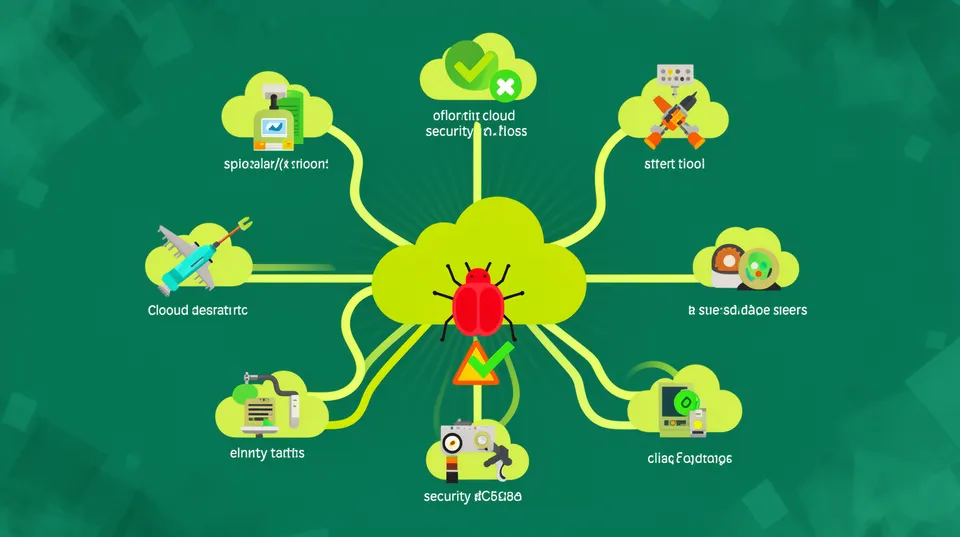
Effective remediation requires seamless integration with existing cloud security tools and platforms, creating a unified ecosystem that transforms alerts into actionable fixes. No single tool can cover all aspects of cloud security. Instead, an integrated approach leverages the strengths of specialized tools and orchestrates their output for efficient remediation. This means connecting with CNAPPs, CSPMs, vulnerability scanners, and even cloud-native security services.
Connecting with Detection and Response Tools
Your current detection stack is invaluable. Tools like Wiz, Orca Security, Palo Alto Cortex Cloud, and SentinelOne Singularity provide critical visibility into misconfigurations, vulnerabilities, and potential threats. The remediation platform needs to ingest these alerts directly. For instance, an alert from Wiz indicating an over-privileged IAM role in AWS should trigger a remediation workflow:
- Wiz: Detects
IAMRole 'MySuperRole' has AdministratorAccess policy attached. - Tamnoon: Ingests the alert, analyzes the role's actual usage (e.g., via AWS CloudTrail logs), determines if a more restrictive policy like
PowerUserAccessor a custom policy with least privilege is sufficient. - Tamnoon: Proposes a remediation, such as detaching
AdministratorAccessand attaching the least privileged policy, possibly through an AWS CloudFormation or Terraform module.
This integration extends to other cloud providers too. Alerts from Azure Defender for Cloud about unencrypted storage accounts or from GCP Security Command Center regarding public Kubernetes endpoints should similarly trigger targeted remediation playbooks. The goal is to avoid manual interpretation and instead automate the transformation of an alert into a proposed, actionable fix.
Streamlining Incident Response Workflows
Beyond proactive remediation, integration also streamlines incident response. When a critical incident occurs, like an exposed API key or a compromised compute instance, rapid response is crucial. The remediation platform can:
- Quarantine Infected Resources: Isolate a compromised VM or container by modifying network security groups or virtual network configurations.
- Rotate Credentials: Automatically initiate the rotation of exposed API keys or access tokens. For example, if an AWS access key is found on a public GitHub repository, the system can automatically revoke it and notify the owner to generate new credentials.
- Rollback Malicious Changes: Revert unauthorized changes to infrastructure-as-code templates or cloud configurations.
These actions, coordinated through integration with tools like AWS Security Hub or Azure Sentinel, drastically reduce the mean time to contain and resolve incidents, minimizing potential damage. This moves beyond basic detection to direct, measurable action in the cloud environment. For more insights on how to achieve this, you can explore resources on cloud incident remediation playbooks.
Measure Success with Key Remediation Metrics
Measuring key remediation metrics is essential for quantifying the effectiveness of your security program and continuously improving your remediation processes. Identifying and tracking these metrics provides clear insights into response efficiency and risk reduction. Without proper metrics, security teams can't demonstrate the value of their remediation efforts or identify bottlenecks. A continuous feedback loop based on data helps refine playbooks, optimize workflows, and ultimately strengthen overall cloud security posture.
Mean Time to Remediate (MTTR)
MTTR, or the average time taken to fix a detected security issue, is arguably the most critical metric. A lower MTTR directly correlates with reduced attack surface exposure. Implementing AI-powered remediation significantly impacts this metric by automating much of the manual effort. Consider the difference between:
- Manual MTTR: Detection (seconds) >. Alert Triage (hours) >. Manual Investigation (hours) >. Solution Design (hours) >. Developer Assignment (days) >. Code Changes (days) >. Deployment (hours/days) >. Verification (hours). This often spans days or weeks.
- Automated MTTR: Detection (seconds) >. AI Contextualization (seconds) >. AI Remediation Proposal (seconds) >. Human-in-the-Loop Approval (minutes/hours) >. Automated Deployment (minutes). This can reduce MTTR from days to hours, or even minutes for fully automated fixes. Learn more about MTTR here.
Regularly tracking MTTR for different types of vulnerabilities (e.g., misconfigurations, CVEs, identity issues) helps identify specific areas for improvement in your remediation playbooks or tool integrations.
Remediation Compliance Rate
This metric tracks the percentage of detected issues that are successfully remediated within a specified timeframe (e.g., 24 hours, 7 days). A high compliance rate indicates an effective and efficient remediation process. If your compliance rate is low, it suggests issues with either the automation capabilities, the human-in-the-loop process, or resource allocation for remediation tasks. Tools that integrate with compliance frameworks can also help measure this, ensuring that security findings meet regulatory requirements.
Backlog Reduction Rate
The backlog represents the total number of open security findings that haven't been resolved. This is a lagging indicator but crucial for understanding the overall security debt. An effective remediation strategy should show a consistent reduction in this backlog over time. If the backlog is growing, it signals that the rate of new detections is outpacing the rate of remediation. This directly impacts the CNAPP alert fatigue that many teams face. Continuous monitoring of your backlog allows for timely adjustments to remediation priorities and resource allocation.
False Positive Reduction
While detection tools aim for accuracy, false positives are an inevitable part of the landscape. An efficient remediation process includes mechanisms to identify and suppress false positives, preventing wasted effort. The Human-in-the-Loop component is critical here. Expert validation can flag false positives before remediation is attempted, improving the overall signal-to-noise ratio for security teams. Tracking the percentage of false positives can guide improvements in detection rules or the initial contextualization phase of remediation.
Production Impact of Remediation
A successful remediation not only fixes the security issue but does so without causing application downtime or functionality disruption. Tracking the number of production incidents directly attributable to remediation actions is a metric. A low number indicates the effectiveness of production-safe playbooks and the Human-in-the-Loop validation process. The primary goal is to lower security risk without introducing operational risk. This metric speaks directly to safely remediating misconfigurations.
By continuously monitoring these metrics, organizations gain tangible evidence of their improving security posture, justifying investments in automation and expert-guided remediation solutions like Tamnoon.

Tamnoon helps security teams remediate cloud risks faster with AI-augmented managed services — combining human expertise with automation so nothing falls through the cracks.
Learn more at tamnoon.ioFAQs
Why is bridging the gap from detection to remediation so critical?
Bridging this gap is critical because detection alone doesn't eliminate risk. Cloud environments are highly dynamic, and vulnerabilities can be introduced or re-introduced rapidly through IaC or CI/CD pipelines. A significant amount of detected issues often remain open, leading to an expanding attack surface and increased security debt. Organizations need to move beyond simply identifying problems to actively fixing them in a timely and production-safe manner. This reduces Mean Time to Remediate (MTTR), directly lowering the window of exposure for potential attackers and strengthening the overall security posture.
How do AI-powered remediation platforms ensure production safety?
AI-powered remediation platforms ensure production safety primarily through the use of validated, production-safe playbooks and a Human-in-the-Loop (HITL) process. These playbooks are pre-configured, battle-tested workflows designed to resolve specific issues without negatively impacting application uptime or functionality. For complex or high-impact changes, the HITL mechanism allows human cloud security experts to review and validate AI-generated remediation proposals before execution. This dual approach provides the speed of automation with the critical oversight of human expertise, preventing unintended consequences.
What kind of issues can AI-powered remediation address?
AI-powered remediation can address a wide range of cloud security issues. This includes common misconfigurations like publicly exposed S3 buckets, overly permissive IAM roles, unencrypted storage accounts, and unpatched vulnerabilities in compute instances. It can also manage more complex scenarios like exposed API keys, compliance deviations, or even certain aspects of incident response like resource quarantine. The key is that the AI analyzes the alert context and generates specific, executable actions, whether that's modifying an IaC template, executing an API call, or creating a pull request for review.
How does Tamnoon integrate with existing security tools?
Tamnoon integrates seamlessly with various existing cloud security tools to centralize alert ingestion and orchestrate remediation. It connects with leading CNAPPs, CSPMs, and other detection tools such as Wiz, Orca Security, Palo Alto Cortex Cloud, and SentinelOne Singularity. Through these integrations, Tamnoon ingests security alerts, enriches them with context, and then proposes or executes remediation actions. It also integrates with ticketing systems like Jira, version control systems for IaC changes, and CI/CD pipelines to streamline the entire remediation workflow, ensuring fixes are applied efficiently and tracked effectively.
What are the key metrics to track for effective remediation?
To measure effective remediation, several key metrics should be tracked. The most important is Mean Time to Remediate (MTTR), which indicates how quickly issues are fixed. Other vital metrics include the Remediation Compliance Rate, showing the percentage of issues resolved within set timeframes, and the Backlog Reduction Rate, which tracks the decrease in outstanding security findings. Furthermore, monitoring Production Impact of Remediation is crucial to ensure fixes don't introduce new operational risks. Lastly, tracking False Positive Reduction helps improve the accuracy of detection tools and reduces wasted effort from security teams.