

SOC teams are drowning in alerts. The sheer volume makes it impossible to distinguish between critical threats and benign noise, leading directly to alert fatigue and missed remediations.
Traditional security tools excel at detection, generating continuous streams of alerts from CSPMs, CNAPPs, and SIEMs. However, this detection-heavy approach often lacks the operational muscle to translate alerts into production-safe fixes, creating an ever-expanding backlog and diminishing the effectiveness of security operations.
RemOps represents a shift from detection-centric security to a remediation-first strategy. It integrates intelligence with automated, production-safe actions to address vulnerabilities and misconfigurations at scale.
Establishing a Clear Remediation Strategy
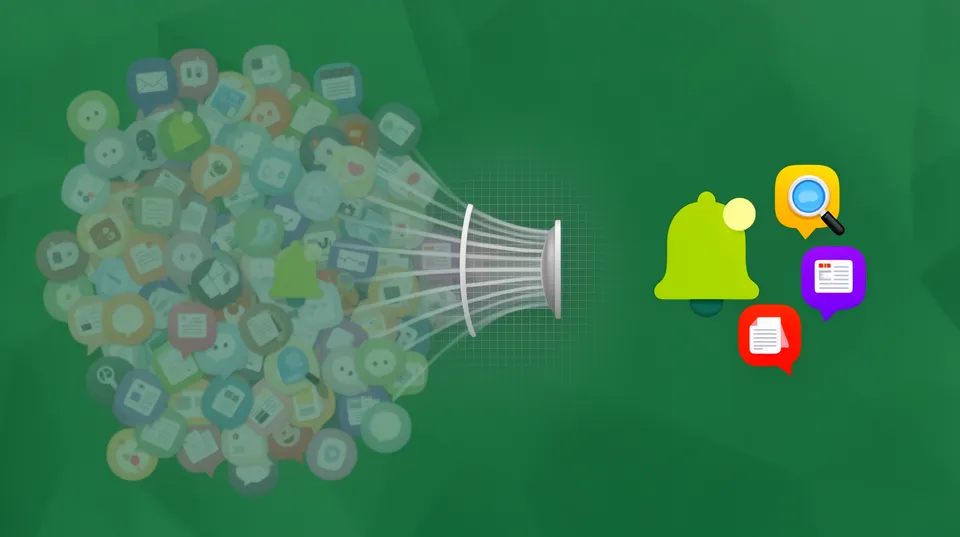
A clear remediation strategy defines the process for transforming detected security issues into actionable fixes, ensuring that alerts lead to measurable security improvements rather than simply accumulating in a backlog. This involves identifying critical vulnerability types, setting acceptable remediation timelines, and establishing a robust communication framework between security and engineering teams.
First, get granular with what constitutes a remediation priority. It's about contextual risk factors: what's exposed, what data it holds, and its blast radius if exploited. For instance, an overprivileged IAM role in a development environment might seem low priority, but if it has access to production secrets, its effective risk skyrockets. Tamnoon allows security teams to define these risk profiles and associate them with specific remediation playbooks.
The average organization receives over 500,000 alerts, with 95-98% being non-critical, according to OX Security's 2025 Application Security Benchmark. This volume makes manual prioritization impossible. Define clear thresholds for what gets an immediate automated fix, what requires human review, and what falls into a longer-term backlog based on aggregated risk scores. This often means focusing on issues that directly impact data confidentiality, integrity, or availability, or those that violate compliance mandates.
Defining Scope and Prioritization
Start with a clear understanding of your cloud estate. Catalog all assets, their criticality, and compliance requirements. Tools like Wiz, Orca Security, and Palo Alto Cortex Cloud generate comprehensive inventory and findings. Use these outputs to categorize alerts by asset criticality, data sensitivity, and potential business impact. It's not enough to know an S3 bucket is public, you need to know *which* S3 bucket and *what's in it*.
Prioritize remediation efforts based on a combination of technical severity and business context. An exposed API key with production write access should always take precedence over a minor misconfiguration in a non-production environment. Establish service level objectives (SLOs) for different criticality levels. For instance, critical vulnerabilities might require remediation within 24 hours, high within 72 hours, and medium within a week.
Establishing Remediation Playbooks
Remediation playbooks are pre-defined, executable workflows for common security findings. These aren't just checklists. They're code. For example, a playbook for an overprivileged IAM role would include steps to identify the specific permissions, generate a least-privilege policy, test it, and apply it. Tamnoon's Remediation Playbooks are designed for production safety, often incorporating rollback mechanisms and approval gates.
These playbooks integrate with existing tools. For a public S3 bucket identified by Wiz, the playbook might trigger an AWS Lambda function to restrict public access or enable versioning via Tamnoon's S3 versioning playbook. It's about standardizing the fix process, reducing variability, and ensuring every remediation meets security and operational requirements.
Automated Alert Triage and Enrichment
Automated alert triage and enrichment reduces human effort by filtering noise, correlating events, and adding essential context to security alerts, enabling SOC teams to focus on truly critical incidents. This process involves using AI and machine learning to rapidly process high volumes of data, making findings more actionable without requiring manual investigation for every single alert.
SOC teams face approximately 960 alerts per day. Manually triaging this volume is unsustainable. Automated triage uses machine learning algorithms to rapidly aggregate alert data, matching alerts based on features like type, affected resource, and associated threat intelligence. This helps in filtering out low-value noise and grouping related incidents. AI can handle repetitive tasks like alert enrichment, freeing up SOC analysts for complex investigations. Even security leaders expect AI to handle about 60 percent of SOC workloads within three years.
Intelligent Filtering and Correlation
Start by configuring your detection tools like Upwind, Cyera, or SentinelOne Singularity to feed alerts into a centralized platform like Tamnoon. Implement initial filtering rules based on alert severity, source, and affected asset type. For cloud environments, this often involves filtering out alerts related to non-production environments unless they pose a direct threat to production systems.
Once filtered, use correlation engines to group related alerts. For instance, multiple alerts about failed login attempts from the same IP address targeting different IAM users should be correlated into a single incident. This reduces the number of individual alerts analysts need to review, consolidating them into a more meaningful security event. Machine learning algorithms, as highlighted by Imperva, are critical here for matching alerts based on features like type and source.
Automated Contextual Enrichment
Each alert needs context to be actionable. This means automatically pulling in relevant data from various sources. For a cloud resource misconfiguration, enrich the alert with details like:
- Resource owner: Who owns the affected AWS S3 bucket or Azure VM?
- Application criticality: What application uses this resource, and how critical is that application to business operations?
- Compliance scope: Is the resource in scope for PCI-DSS, HIPAA, or other regulations?
- Network topology: How is the resource exposed to the internet or internal networks?
Tools like Tamnoon connect to your existing cloud environment and CMDBs to pull this data automatically. This enrichment turns a generic 'S3 bucket public' alert into 'S3 bucket ‘financial-reports-prod’ owned by Finance Team, contains PCI data, publicly accessible, critical business impact.' This level of detail makes the alert immediately actionable without a security analyst spending an hour digging for information.
Automated, Production-Safe Remediation
Automated, production-safe remediation directly applies fixes to identified vulnerabilities and misconfigurations using pre-vetted playbooks, drastically reducing MTTR without introducing operational risk. This ensures security improvements are implemented swiftly and reliably, minimizing the window of exposure and preventing human error.
This is where RemOps truly differentiates itself. Detection without remediation is just noise. Automated remediation means taking the enriched alert and executing a pre-approved, production-safe fix. This capability is paramount because 77% of organizations report increased alert volumes, making manual remediation impractical.
"Hyperautomation helps fight cybersecurity alert fatigue by filtering noise, enriching context, and automating response."
Torq Blog
Implementing Production-Safe Playbooks
Tamnoon provides a library of production-safe remediation playbooks for common cloud misconfigurations. These aren't just scripts. They're carefully constructed Infrastructure as Code (IaC) or API calls that include error handling, rollback capabilities, and sometimes even approval workflows for critical changes. For example, a playbook to encrypt unencrypted EBS volumes might first check for in-use volumes, create snapshots, encrypt the snapshot, and then reattach the encrypted volume, all while providing clear audit trails.
The key is 'production-safe'. This means every playbook has been tested and verified to operate without causing downtime or unintended side effects. Instead of a developer rushing a fix, a pre-approved automated workflow executes the change, reducing the risk of a new misconfiguration or an outage. This directly addresses the friction between security teams wanting quick fixes and DevOps teams needing stability, as discussed in cloud incident remediation playbooks.
An example of such a playbook for an unencrypted S3 bucket might look something like this (simplified logic):
aws s3api get-bucket-encryption --bucket my-unencrypted-bucket
if encryption_status == "None": # Check for existing policies, ACLs, etc. # Create backup/snapshot if necessary (e.g., replicating objects to a new encrypted bucket) aws s3api put-bucket-encryption \ --bucket my-unencrypted-bucket \ --server-side-encryption-configuration '{"Rules": [{"ApplyServerSideEncryptionByDefault": {"SSEAlgorithm": "AES256"}}]}' # Validate encryption status aws s3api get-bucket-encryption --bucket my-unencrypted-bucket
else: print("Bucket is already encrypted or an unexpected state was found.")
This snippet demonstrates the principle: detect a state (unencrypted), apply a standard fix (SSE-AES256), and verify. Tamnoon orchestrates this at scale, often with built-in integrations for tools like Terraform, CloudFormation, or Ansible for IaC-driven remediation.
Human-in-the-Loop Oversight
While automation is powerful, not everything can be fully automated, especially for high-impact changes or novel threats. RemOps, particularly Tamnoon's approach, incorporates Human-in-the-Loop mechanisms. This means that for certain critical alerts or complex remediations, the automated playbook will pause and present the proposed fix to a security expert for review and approval.
This allows senior analysts to validate the proposed changes, evaluate potential side effects, and ensure that the fix aligns with broader organizational policies before execution. It's a safety net that combines the speed of automation with the wisdom of human expertise, preventing blind application of fixes that could break production. This also provides an opportunity for security experts to refine playbooks, continually improving the automation process.
This hybrid approach ensures high confidence in automated fixes while providing critical oversight. It allows for advanced use cases where an AI-Powered Remediation engine generates a fix, and a human expert from Tamnoon's team validates it, ensuring zero downtime.
Integration with Existing Security Stacks
Integrating RemOps with existing security tools creates a unified detection-to-remediation workflow, optimizing the value of current investments and eliminating silos between discovery and fix processes. This ensures security findings from any source can immediately drive actionable remediation, improving overall security posture without replacing core infrastructure.
RemOps It's making it more effective. The solution integrates with popular CNAPPs, CSPMs, and CDRs to ingest alerts and findings, translating them into actionable remediation tasks.
Connecting to Detection Tools
Tamnoon integrates with leading security platforms like Wiz, Orca Security, Upwind, Cyera, Palo Alto Networks Prisma Cloud, AWS Security Hub, Azure Defender for Cloud, and SentinelOne Singularity. This means that alerts generated by these tools about misconfigurations, vulnerabilities, or compliance violations flow directly into the RemOps platform.
For example, if Wiz identifies an unencrypted S3 bucket, that alert is ingested by Tamnoon. Tamnoon then correlates this alert with other contextual data and initiates the appropriate S3 encryption playbook. This seamless integration ensures that no alert is lost and every finding from your detection tools has a clear path to resolution, as highlighted in shrinking your remediation backlog.
Orchestrating with Cloud Providers and CI/CD
Beyond detection, RemOps needs to talk to the systems that actually perform the fixes. This includes direct integration with cloud providers like AWS, Azure, and GCP via their APIs to apply changes. It also extends to CI/CD pipelines and infrastructure-as-code (IaC) repositories to inject preventative controls or deploy corrected configurations.
For instance, if a misconfigured Security Group is detected, Tamnoon can use an AWS SDK or CLI command (orchestrated via a playbook) to tighten its ingress/egress rules. If the misconfiguration originated from a Terraform template, the Tamnoon Platform can generate a pull request with the corrected IaC, allowing developers to review and merge the fix into their standard deployment process. This closes the loop between security findings and their root cause in development workflows, making security an inherent part of the software delivery lifecycle.
Measuring Impact and Continuous Improvement
Measuring RemOps impact involves tracking key metrics like MTTR, alert volume reduction, and compliance adherence, providing objective data to demonstrate security posture improvements and guide ongoing optimization of remediation strategies. Continuous improvement cycles ensure playbooks stay current, automation thresholds are refined, and the overall RemOps framework adapts to evolving threats and organizational needs.
RemOps isn't a one-time setup. It's an ongoing process of refinement. Continuously measuring the effectiveness of your remediation efforts is essential for demonstrating value and identifying areas for improvement.
Key Metrics for RemOps Success
Track metrics that directly reflect the reduction in alert fatigue and improved security posture:
- Mean Time to Remediation (MTTR): This is perhaps the most critical metric. Track the average time it takes from alert detection to successful remediation for different types of vulnerabilities. RemOps aims to significantly reduce MTTR by automating fixes, especially for common issues.
- Alert Volume Reduction: Measure the reduction in the number of raw alerts that reach human analysts after automated filtering and correlation.
- Backlog Trend: Monitor the growth or reduction of the security remediation backlog. A shrinking backlog indicates effective remediation.
- Compliance Adherence: Track the number of compliance violations detected and remediated automatically.
- False Positive Reduction: Measure how effectively intelligent filtering reduces the number of false positives that analysts spend time on.
These metrics quantify the operational benefits of RemOps and help prove its ROI. For example, a significant drop in MTTR for critical cloud misconfigurations directly translates to reduced risk exposure, a key objective for CISOs.
Iterative Playbook Refinement

Regularly review and update your remediation playbooks. As new threats emerge, cloud services evolve, or internal policies change, playbooks need adjustment. Conduct post-remediation reviews, especially for complex or human-approved fixes, to identify any inefficiencies or potential improvements in the automation logic.
Leverage the feedback loop from human-in-the-loop approvals. If security experts consistently modify an automated recommendation, that's a signal to refine the underlying AI or playbook logic. This iterative process ensures that your automated remediation capabilities remain relevant, accurate, and truly production-safe over time. It's an ongoing commitment to improvement, essential for staying ahead of new attack vectors that target anything from shadow AI to critical infrastructure components.
RemOps is about more than just patching. It's about building a resilient security ecosystem. It shifts the SOC from a reactive, alert-drowning entity to a proactive, remediation-focused powerhouse. By integrating intelligent automation with human oversight, Tamnoon enables organizations to move beyond mere detection and truly conquer alert fatigue by turning every alert into a production-safe fix, protecting both security posture and operational stability.

Tamnoon helps security teams remediate cloud risks faster with AI-augmented managed services — combining human expertise with automation so nothing falls through the cracks.
Learn more at tamnoon.ioFAQs
What is RemOps and how does it reduce alert fatigue?
RemOps, or Remediation Operations, is a security paradigm focused on automating the fixing of security vulnerabilities and misconfigurations. It tackles alert fatigue by shifting from a detection-only approach to active remediation. Rather than analysts sifting through thousands of alerts, RemOps platforms, such as Tamnoon, use AI-powered triage to filter noise, correlate related events, and enrich alerts with context. This reduces the sheer volume of alerts requiring human attention and ensures that the remaining, high-priority alerts come with enough information for immediate, automated action through production-safe playbooks.
How does RemOps ensure fixes don't break production environments?
RemOps places a strong emphasis on 'production-safe' remediation through several mechanisms. Firstly, remediation playbooks are pre-vetted and rigorously tested to include error handling and rollback capabilities. Secondly, solutions like Tamnoon often incorporate a 'Human-in-the-Loop' model, where complex or high-impact automated fixes require explicit approval from a security or operations expert before execution. This combines the speed of automation with critical human oversight, ensuring changes are reviewed for potential operational impact before being applied, thereby minimizing downtime risk.
What kind of security tools does RemOps integrate with?
RemOps solutions are designed to integrate seamlessly with an organization's existing security stack to maximize current investments. This includes leading Cloud-Native Application Protection Platforms (CNAPPs) and Cloud Security Posture Management (CSPM) tools like Wiz, Orca Security, Palo Alto Networks Prisma Cloud, Upwind, and Cyera. It also connects with native cloud security services such as AWS Security Hub and Azure Defender for Cloud, along with Endpoint Detection and Response (EDR) platforms like SentinelOne Singularity. The goal is to ingest alerts from these detection sources and feed them into the remediation workflow.
Can RemOps help with compliance adherence?
Yes, RemOps significantly assists with compliance adherence. Many compliance frameworks (e.g., PCI-DSS, HIPAA, NIST) dictate specific security controls and require timely remediation of deviations. RemOps can identify misconfigurations that violate these mandates and automatically apply the necessary fixes, or flag them for expedited human review. By automating the remediation of common compliance-related findings, organizations can maintain a stronger and more consistent compliance posture, reducing the manual effort and risk associated with compliance audits.
What metrics demonstrate the success of a RemOps implementation?
The success of a RemOps implementation is quantifiable through several key metrics. The most crucial one is Mean Time to Remediation (MTTR), which measures the average time from alert detection to successful fix application; RemOps aims to drastically lower this. Other important metrics include overall alert volume reduction (especially for alerts requiring human intervention), the trend of the security remediation backlog (ideally shrinking), the rate of compliance adherence, and the number of false positives eliminated by automated triage. These metrics collectively demonstrate improved security posture and operational efficiency.