

Security teams often find themselves in an endless cycle of identifying misconfigurations, only to see them persist in production environments. Cloud environments evolve at a rapid pace. This means configuration drift is inevitable.
Traditional cloud security posture management (CSPM) tools excel at detection, flagging issues across an organization's cloud estate. These tools like Palo Alto Cortex Cloud, Orca Security, Wiz, and Sentinel One Singularity provide comprehensive visibility. They generate detailed reports on misconfigurations and vulnerabilities, which is a critical first step. However, the sheer volume of alerts can overwhelm even well-staffed security operations centers, leading to alert fatigue. This operational bottleneck prevents timely remediation.
Closing the loop between detection and actual remediation, especially in production, separates effective cloud security from continuous firefighting. Production-safe remediation means fixing issues without introducing new outages or performance degradations. It requires a deep understanding of cloud infrastructure, application dependencies, and the potential blast radius of any change. Without this, security teams become adept at finding problems, but not at fixing them.
The Remediation Gap Between Detection and Production Safety
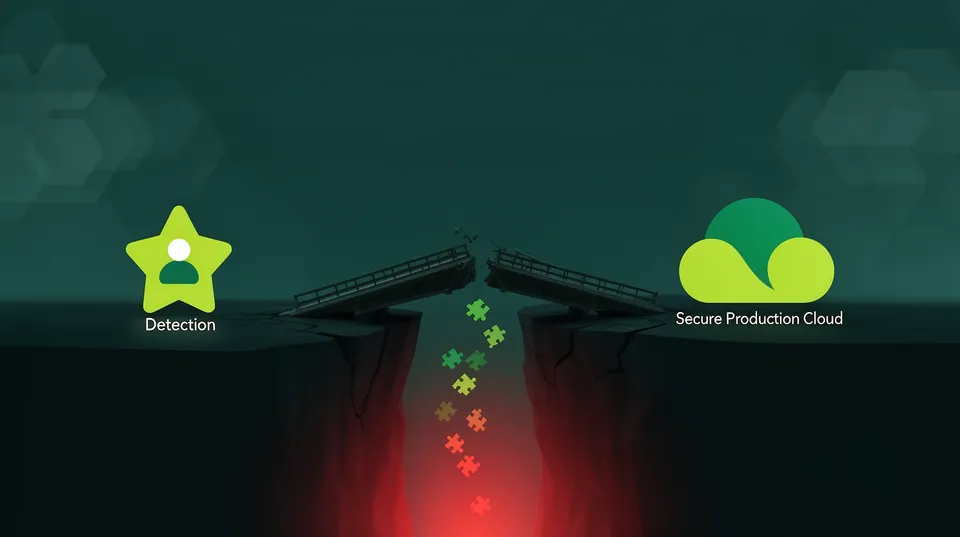
Cloud security continues to grapple with a foundational problem: the gap between identifying security issues and actually fixing them in a production-safe manner. Most organizations have robust detection tools in place. They identify misconfigurations, over-privileged IAM roles, unencrypted storage, and network exposures. Systems like AWS Security Hub and Azure Defender for Cloud aggregate findings from various services, providing a centralized view of security posture. However, this visibility doesn't inherently translate into swift, production-safe action.
Consider the scale of the problem. In 2025, each cloud asset had 115 vulnerabilities on average. Attempting to manually address hundreds or thousands of misconfigurations across an estate with thousands of assets just isn't scalable. DevOps teams, already managing their core duties, receive a flood of tickets from security. Each ticket often requires manual investigation, understanding the context, developing a fix, and testing it. This process is slow, error-prone, and creates friction.
Misconfigurations represent a significant attack surface. 47.1% of GCP incidents start with weak or missing credentials., 29.4% of initial access events are caused by misconfigurations. These statistics highlight a clear link between unaddressed misconfigurations and actual breaches. The detection-remediation gap isn't just an operational annoyance. It's a critical security risk.
The challenge intensifies with critical vulnerabilities. Early in 2026, an emergency directive for patching a Cisco SD-WAN flaw under exploitation by a highly sophisticated cyber threat actor was released to US agencies. Months later, CISA set a deadline to rectify another Cisco SD-WAN bug, sitting at a 10 on the CVSS severity scale. Responding to such high-severity threats requires not just detection, but also the ability to push out fixes rapidly and reliably, even in complex production environments.
Bridging the Remediation Chasm with Agentic Security
Agentic security, particularly for remediation, aims to bridge this chasm. It shifts the focus from merely identifying problems to autonomously generating and applying solutions, always with an eye towards production safety. This isn't about fully automated, unsupervised remediation for every alert. The industry is moving towards a hybrid model, combining advanced AI with human expert oversight.
Consider the process of fixing an overly permissive S3 bucket policy. A traditional alert might say: ". S3 Bucket 'my-sensitive-data' is publicly accessible.". The engineering team then needs to:
- Locate the bucket policy.
- Understand the intended access patterns.
- Craft a new policy that restricts public access while maintaining necessary internal permissions.
- Apply the policy, hoping it doesn't break an application.
- Verify the fix.
This sequence requires cognitive overhead and execution time for each identified issue. Agentic remediation, however, can analyze the alert, understand the context of the bucket, propose a least-privilege policy change, simulate its impact, and then, upon approval, apply it. This significantly reduces the Mean Time To Remediation (MTTR).
Tamnoon embodies this agentic approach by connecting existing detection tools with actionable remediation. It integrates with major CNAPPs/CSPMs like Wiz, Orca Security, and Prisma Cloud. When these tools identify an S3 bucket misconfiguration, Tamnoon's AI-Powered Remediation logic engine analyzes the alert. It determines the most effective, production-safe fix. This could involve generating specific AWS CLI commands, Terraform HCL snippets, or CloudFormation templates.
The magic happens with Production-Safe Playbooks. These are pre-configured, battle-tested workflows for common cloud threats, like ensuring S3 bucket versioning is enabled or enforcing MFA delete on S3 buckets. Tamnoon leverages these playbooks, adapted to the specific context of the detected issue, to create a remediation proposal. This proposal includes the detailed changes and a simulated impact analysis.
For more complex or high-risk remediations, a Human-in-the-Loop (expert-led) process comes into play. Tamnoon's cloud experts, or the customer's own security and DevOps engineers, review and approve the proposed fix. This hybrid model ensures zero downtime and eliminates unintended side effects. It provides the speed of automation with the safety net of human intelligence.
Automating Cloud Misconfiguration Remediation
Automated remediation isn't about a binary ". On or off". Switch for fixing everything. It's about intelligently orchestrating the remediation lifecycle. Different tools contribute at various stages:
- Detection: Cloud security platforms like Wiz, Upwind, Cyera, and AWS Security Hub detect misconfigurations. They provide the initial alert data.
- Analysis and Prioritization: This is where agentic systems add value, understanding the context of the alert, its potential impact, and its criticality. Tools like Tenable Cloud Security can identify and suggest fixes, focusing on categories like open storage buckets or overly permissive roles as described by Tenable.
- Remediation Generation: The system formulates the concrete steps or code required to fix the issue. This might be a CLI command for a specific cloud provider, an Infrastructure as Code (IaC) change like a Terraform module update, or a script.
- Impact Simulation: Before applying any change, it's crucial to understand what might break. This involves dry runs, policy checks, and dependency mapping.
- Execution (Automated or Human-Approved): The fix is applied either fully automatically for low-risk, well-understood patterns, or after human review and approval for critical systems.
- Verification: Post-remediation, the system verifies that the issue is resolved and no new problems have been introduced.
Tamnoon integrates these steps into a cohesive workflow. For instance, if an AWS IAM policy is detected as overly permissive by a CSPM, Tamnoon can generate a refined, least-privilege policy. It then proposes this change to the relevant DevOps team via their chosen communication channel, such as Slack or Jira. The team can review the proposed policy, see its simulated impact, and either approve it for immediate application or request modifications.
Consider an example with an overly permissive EC2 instance profile:
Detected Issue: IAM role my-app-ec2-role attached to EC2 instances has "Action": "s3:*" on all S3 buckets.
CSPM Alert: Wiz generates an alert ". Overly Permissive S3 Access for EC2 Role.".
Tamnoon's Remediation Proposal:
{ "Version": "2012-10-17", "Statement": [ { "Effect": "Allow", "Action": [ "s3:GetObject", "s3:PutObject", "s3:ListBucket" ], "Resource": [ "arn:aws:s3:::my-app-data-bucket/*", "arn:aws:s3:::my-app-data-bucket" ] } ]
}
This proposed policy limits access to specific S3 actions and resources, following the principle of least privilege. Tamnoon would also provide a context summary, explaining which applications use this role and the potential impact of the change. This actionable output transforms a security alert into a ready-to-apply fix.
Real-world Operational Consequences of Unfixed Misconfigurations
Alert fatigue is often cited, but the deeper consequence is the operational drag and increasing security debt. When alerts pile up, security teams spend cycles triaging rather than fortifying. DevOps teams, facing constant pressure to deliver new features, see security tickets as distractions from their core mission. This creates a ". Shadow security debt". That accrues, increasing the likelihood of a major incident.
82% of data breaches involved cloud data, with ransomware taking the top spot. Many of these breaches exploit common misconfigurations, like exposed storage or weak IAM policies. A study highlighted that 9% of publicly accessible cloud storage contains sensitive data, with a stunning 97% of organizations having unprotected storage in the cloud. These aren't complex zero-days. They're often basic security hygiene failures that go unaddressed due to the remediation gap.
The blast radius of unfixed misconfigurations can be extensive. An overly permissive IAM role might allow an attacker, once they compromise an instance, to access critical data stores, exfiltrate information, or even deploy additional malicious infrastructure. A publicly exposed S3 bucket could lead to a data breach and reputational damage. The cost of remediation after a breach far exceeds the cost of preventing it proactively.
Rolling back changes in production after a security incident is a complex and risky endeavor. When a misconfiguration is exploited, the question shifts from ". How do we fix this securely?". To ". How do we stop the bleeding and restore service?". This often involves downtime, data recovery efforts, and extensive incident response. Having Production-Safe Playbooks and a Human-in-the-Loop process for remediation drastically reduces the risk of needing such a rollback. It allows for controlled, verified changes rather than emergency fixes.
Sysdig Headless Cloud Security, for instance, automates vulnerability remediation with new agent skills for vulnerability management, aiming to streamline these processes. AppOmni’s Marlin AI automatically analyzes SaaS misconfigurations and recommends remediation steps, though it currently stops short of fully autonomous corrective action for SaaS environments.
Tamnoon takes this further by focusing on the ". Last mile". Of cloud security remediation. It doesn't just recommend. It generates and orchestrates the application of the fix within the guardrails of production safety.
Implementing Production-Safe Remediation Workflows
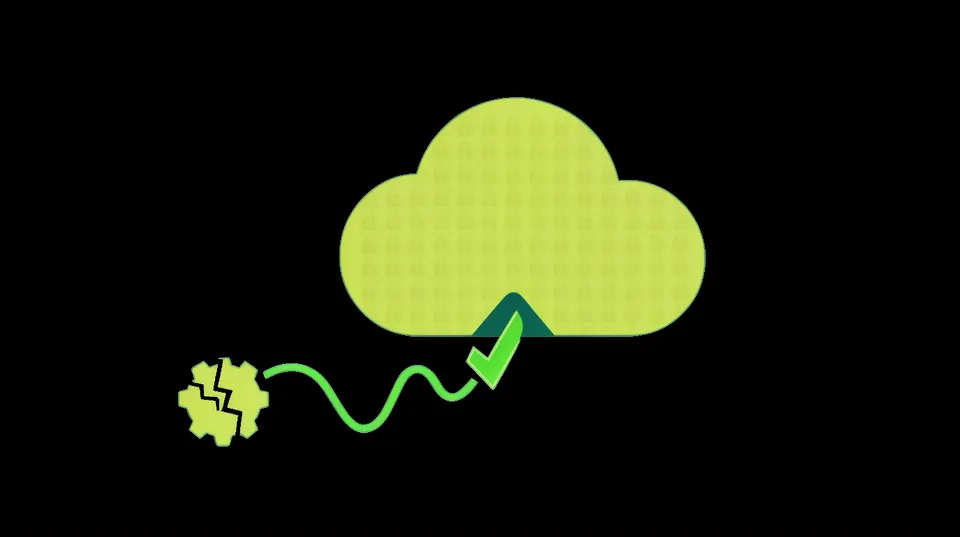
Building production-safe remediation involves a multi-pronged approach that combines automation, validation, and human oversight. Organizations need to define clear workflows and leverage platforms that can execute them.
Here's a breakdown of how to establish such workflows:
- Integrate Cloud Security Posture Management (CSPM) with Remediation Platforms: Your CSPM (e.g., Wiz, Orca, Prisma Cloud) is the source of truth for alerts. Ensure these alerts flow into your remediation platform. This might involve APIs, webhooks, or custom integrations. Tamnoon's Ecosystem Integration is built precisely for this, connecting with existing security tools.
- Develop Remediation Playbooks: Create standardized, tested playbooks for common misconfigurations. These should be Infrastructure as Code (IaC) based where possible, ensuring idempotency and version control. Examples include: ensuring all S3 buckets have logging enabled, enforcing MFA for IAM users, or restricting EC2 security group ingress to specific IPs. A good playbook defines the ". What". (the fix), the ". How". (the commands/code), and the ". Verify". (how to confirm the fix).
- Implement Change Validation and Simulation: Before any change hits production, it needs validation. This includes:
- Static Analysis: Linting IaC for syntax errors and policy violations.
- Policy Enforcement: Using tools like Open Policy Agent (OPA) to check changes against organizational security policies.
- Impact Simulation: If the platform can simulate the effect of applying the fix on dependent services, it significantly reduces risk. Tamnoon's AI-Powered Remediation aims to provide this context.
- Orchestrate Human-in-the-Loop Approval: For high-risk changes, implement an explicit approval step. This can be integrated into existing CI/CD pipelines or ticketing systems like Jira. The approval request should include a clear description of the issue, the proposed fix, the expected impact, and any potential risks.
- Automate Rollback Mechanisms: Even with careful validation, unforeseen issues can occur. Ensure that every automated remediation has a clear, tested rollback strategy. This might involve reverting to a previous IaC state or using cloud provider features like snapshots.
- Continuous Monitoring and Verification: After remediation, continuously monitor the environment to ensure the fix is effective and hasn't led to new issues. Your CSPM should ideally show the alert as resolved.
# Example Terraform snippet for enforcing S3 bucket encryption
resource "aws_s3_bucket" "my_sensitive_bucket" { bucket = "my-sensitive-data-bucket" server_side_encryption_configuration { rule { apply_server_side_encryption_by_default { sse_algorithm = "AES256" } } } // ... other bucket configurations
}
Tamnoon's Reporting and Compliance features can help track the effectiveness of these workflows and demonstrate continuous improvement in security posture. This provides visibility not just into what was remediated, but also the MTTR reduction and compliance adherence.
By adopting a platform that orchestrates these steps, organizations can move beyond mere detection. They can actually apply fixes systematically and safely. This approach helps reduce the remediation backlog and ensures that security alerts translate into meaningful security improvements. A common challenge, for example, CVE-2026-42471, involving an unsafe deserialization vulnerability in the MixPHP Framework, requires a very specific remediation path. While this isn't a cloud misconfiguration, the principle of a well-defined remediation playbook applies. For cloud-native issues, the Kubernetes Remediation Operation Security Solution (CROSS) research project is developing a cloud-native approach to automated remediation and operational anomaly detection.
Ultimately, the goal is to create a symbiotic relationship between security and DevOps. Security identifies the risk, and DevOps executes the fix, but with the support of tools that streamline the entire process. This reduces friction, speeds up remediation, and most importantly, protects production environments without unnecessary downtime.
Reduce your MTTR by automating remediation with Tamnoon.

Tamnoon helps security teams remediate cloud risks faster with AI-augmented managed services — combining human expertise with automation so nothing falls through the cracks.
Learn more at tamnoon.ioFAQs
What is the primary difference between traditional CSPM and a cloud security remediation platform like Tamnoon?
Traditional CSPM tools, such as Wiz, Orca Security, or Prisma Cloud, focus primarily on detecting and reporting security misconfigurations and vulnerabilities across your cloud environments. They provide visibility and alert you to issues like exposed S3 buckets or overly permissive IAM policies. While essential for identifying risks, they typically don't offer direct, automated methods for fixing these issues. Tamnoon, on the other hand, specializes in the 'last mile' of cloud security: taking those detected alerts and turning them into production-safe remediation actions. It acts as an orchestration layer, analyzing the alerts, generating specific fix actions (like IaC snippets or CLI commands), and facilitating their safe application, often with human oversight, to ensure no impact on production.
How does Tamnoon ensure that remediations are 'production-safe'?
Production safety is central to Tamnoon's approach. It's achieved through a combination of several mechanisms. First, Tamnoon uses AI-Powered Remediation that understands the context of a misconfiguration and proposes fixes designed to minimize impact. Second, it leverages battle-tested Production-Safe Playbooks which are pre-validated workflows for common issues. Third, and critically, for higher-risk changes, Tamnoon incorporates a Human-in-the-Loop process. This means a cloud expert or an authorized engineer reviews and approves the proposed remediation before it's applied to the production environment. This hybrid model ensures changes are verified, dependencies are considered, and potential disruptions are mitigated, effectively balancing automation speed with the need for stability.
Can Tamnoon integrate with our existing cloud security tools and workflows?
Yes, Tamnoon is designed for extensive Ecosystem Integration. It's built to complement and enhance your existing cloud security stack, not replace it. Tamnoon readily integrates with leading CSPM and CNAPP platforms like Wiz, Upwind, Cyera, Palo Alto Cortex Cloud, Orca Security, and Sentinel One Singularity. This allows it to ingest alerts and findings from your established detection tools. For implementing fixes, it can communicate via existing DevOps pipelines, ticketing systems (like Jira), or chat platforms, ensuring that remediation steps fit seamlessly into your current operational workflows and approval processes. This natural integration helps reduce friction between security and engineering teams.
What kind of remediation actions can Tamnoon automate?
Tamnoon can automate a wide range of remediation actions across various cloud services and misconfiguration types. This includes, but isn't limited to, fixing overly permissive IAM policies by generating least-privilege alternatives, enforcing encryption on unencrypted storage buckets like S3, adjusting network security group rules, ensuring compliance with organizational baselines, and implementing specific configurations like enabling MFA delete for S3 buckets. The platform generates concrete fix actions, which can be in the form of cloud provider CLI commands, Infrastructure as Code (IaC) snippets (e.g., Terraform, CloudFormation), or API calls. The scope of automated fixes is continuously expanded through new Remediation Playbooks.
How does automated remediation improve the Mean Time To Remediation (MTTR) for cloud security issues?
Automated remediation dramatically reduces MTTR by eliminating manual steps and cognitive overhead. Without automation, each security alert requires an engineer to manually investigate, contextualize, devise a fix, seek approval, and then apply it. This process is time-consuming and often leads to alerts sitting unaddressed for extended periods. Tamnoon streamlines this by automating the analysis, fix generation, simulation, and even application (with or without human approval). By presenting engineers with a pre-vetted, production-safe solution, it accelerates the decision-making and execution phases. This allows organizations to move from detection to resolution in minutes or hours, rather than days or weeks, significantly shrinking the window of exposure.