


Cloud environments produce an overwhelming volume of security alerts, often paralyzing teams with what feels like an endless list of vulnerabilities. The real challenge is fixing them quickly and safely without breaking production. Many organizations struggle with alert fatigue, where security teams identify thousands of issues, but the operational gap between detection and actual remediation remains wide. This gap directly impacts an organization's security posture and increases the mean time to remediation (MTTR), a critical metric for operational health. Intelligent automation closes this gap, ensuring that detected vulnerabilities are truly resolved.
Traditional approaches often involve manual handoffs, complex ticketing systems, and friction between security and engineering teams. This cycle leads to delays, increased operational costs, and persistent exposure to threats. The sheer scale of cloud assets and their nature makes manual remediation unsustainable. For instance, 32% of cloud assets are currently neglected, with each asset carrying an average of 115 unresolved vulnerabilities. This isn't a problem of detection. It's a problem of action. Intelligent vulnerability remediation automation shifts the focus from merely identifying risks to actively neutralizing them.
Operational stability hinges on effective, rapid remediation. Without it, even minor misconfigurations can escalate into significant incidents. This article explores how intelligent automation streamlines vulnerability remediation, minimizes human intervention where possible, and secures cloud operations. We'll look at actionable strategies and tools that bridge the divide between security alerts and production-safe fixes, driving down MTTR and improving overall resilience.
Understanding the Remediation Gap in Cloud Security Operations
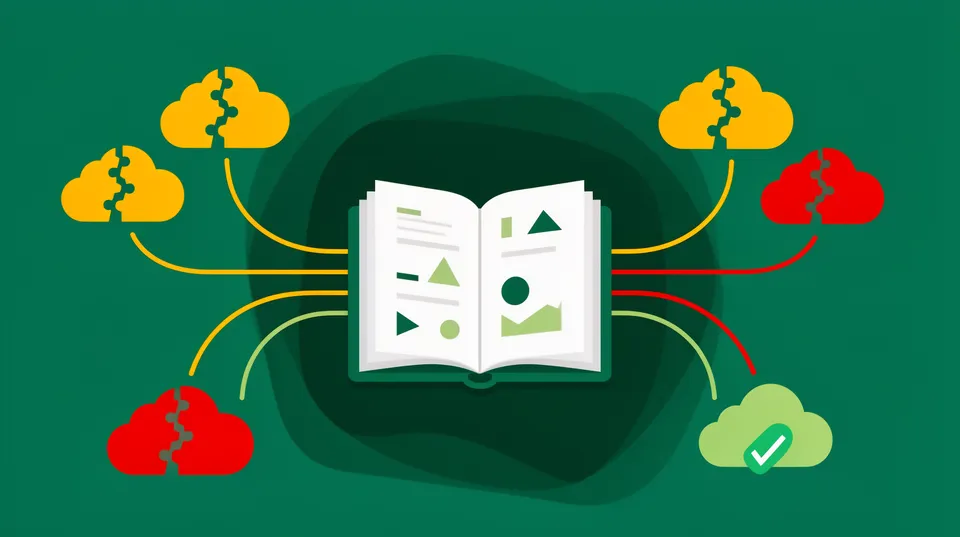
The journey from a detected cloud vulnerability to its resolution is often fraught with inefficiencies. Cloud Security Posture Management (CSPM) tools like Wiz, Orca Security, Prisma Cloud, and Palo Alto Cortex Cloud excel at identifying misconfigurations, exposed resources, and compliance deviations. Similarly, Cloud-Native Application Protection Platforms (CNAPP) provide comprehensive visibility across the development lifecycle and runtime. However, these powerful detection capabilities often generate a flood of alerts that security teams can't realistically act on manually.
This alert overload becomes a significant operational burden. Security professionals spend considerable time validating alerts, contextualizing them, and then communicating necessary fixes to DevOps or infrastructure teams. These teams, already operating under tight deadlines for application development and feature delivery, often find security-mandated fixes disruptive. The result is a cycle where vulnerabilities linger, increasing risk and frustration across both teams. It's not that these tools aren't valuable. They provide essential intelligence. The challenge lies in translating that intelligence into swift, production-safe action.
The State of Cloud Remediation 2026 report indicates a 22% increase in Vulnerability Management MTTR year-over-year, rising from 230 to 282 days. This extended MTTR means organizations remain exposed to critical vulnerabilities for far too long. Consider the incident in 2026 where hacker groups linked to Russia attacked energy and water supply systems in Poland, Sweden, and Norway. Meanwhile, Iranian hackers are now attacking critical US infrastructure, specifically private water utilities. These real-world attacks underscore that security vulnerabilities aren't theoretical. They have tangible, severe consequences, and prolonged MTTR directly contributes to risk.
Prioritizing Remediation for Critical Cloud Assets
Not all vulnerabilities carry the same risk. Effective remediation requires a clear prioritization strategy focused on an organization's critical assets. Simply trying to fix everything leads to wasted effort and delays in addressing genuinely dangerous exposures. Prioritization should consider the asset's business criticality, the severity of the vulnerability, and the exploitability of the flaw.
To start, identify your crown jewel applications and data. These are the assets whose compromise would cause the most significant business impact. Tools like Tamnoon's agentic prioritization help map vulnerabilities to these critical assets, providing context that goes beyond a generic CVSS score. For example, an exposed S3 bucket might be a low priority if it contains public marketing materials, but it becomes a critical issue if it holds sensitive customer data or intellectual property. This contextual awareness enables teams to focus limited remediation resources where they matter most, reducing remediation backlogs.
Implementing an asset classification framework helps assign criticality levels. For AWS, this might involve tagging resources with 'confidentiality', 'integrity', and 'availability' ratings. In Azure, you'd use Azure tags to categorize resources based on business impact. Once categorized, integrate this data with your vulnerability management platform. Products like Nucleus centralize vulnerability and exposure data, helping teams prioritize critical exposures with business context and threat intelligence. This ensures the most impactful issues are addressed first, rather than chasing every alert equally. A CISO's immediate goal is to shrink the attack surface around their most valuable resources, and prioritization is the first step.
Building Intelligent Remediation Playbooks for Common Cloud Misconfigurations
The foundation of intelligent vulnerability remediation is a library of well-defined, production-safe playbooks. These playbooks automate the steps required to fix common cloud misconfigurations, eliminating manual guesswork and ensuring consistent, repeatable remediation actions. They don't just instruct. They execute, often with built-in validation and rollback mechanisms.
Consider an over-permissive IAM role. A remediation playbook for this might involve:
- Identify the specific IAM role: Use inputs from a CSPM alert (e.g., role ARN, attached policies).
- Analyze current permissions: Retrieve the IAM policy document and identify overly broad permissions (e.g.,
"Action": "*"or"Effect": "Allow"on too many resources). - Determine least privilege: This step often requires AI-powered analysis or expert input to suggest the minimal permissions needed based on observed activity or application requirements. For example, if a Lambda function only needs to read from a specific S3 bucket, the playbook would generate a policy strictly allowing
s3:GetObjecton that bucket. - Generate a new IAM policy: Create an updated policy document with refined permissions.
- Apply the new policy (templated IaC): Use Infrastructure as Code (IaC) tools like Terraform or CloudFormation to update the IAM role. This means generating a new Terraform configuration block for the IAM policy and applying it.
- Validate the fix: Confirm the old, over-permissive policy is no longer active and the new policy is correctly applied. This might involve re-scanning with the CSPM tool or querying AWS APIs.
- Test application functionality (pre-prod): In a CI/CD pipeline, this would involve deploying the change to a staging environment and running automated tests to ensure no application functionality is broken.
- Rollback mechanism: Define clear steps to revert to the previous state if the change causes unforeseen issues. This could be as simple as reapplying the previous IaC configuration.
Tamnoon provides production-safe playbooks for various cloud misconfigurations, effectively turning alerts into automated changes. These playbooks are often integrated with existing CI/CD pipelines, allowing security fixes to be treated like code changes. For more complex fixes, a human-in-the-loop expert validation step ensures zero downtime. This balance of automation and expert oversight is crucial for critical production systems.
Example: Remediating an Exposed S3 Bucket
An exposed S3 bucket is a common vulnerability. A remediation playbook would look like this:
- Detection Event: Orca Security or Wiz flags an S3 bucket with public read/write access.
- Automated Assessment: Tamnoon's AI analyzes the bucket's content, access logs, and associated applications to understand potential impact and recommend the least disruptive fix. Is it a public website bucket or does it contain customer PII?
- Proposed Remediation (IaC): The system generates a Terraform or CloudFormation snippet to modify the S3 bucket policy and block public access. For example:
resource "aws_s3_bucket_public_access_block" "bucket_public_access" { bucket = "YOUR_BUCKET_NAME" block_public_acls = true block_public_policy = true ignore_public_acls = true restrict_public_buckets = true
} resource "aws_s3_bucket_policy" "bucket_policy" { bucket = "YOUR_BUCKET_NAME" policy = jsonencode({ Version = "2012-10-17", Statement = [ { Sid = "DenyPublicAccess", Effect = "Deny", Principal = "*", Action = "s3:*", Resource = [ "arn:aws:s3:::YOUR_BUCKET_NAME/*", "arn:aws:s3:::YOUR_BUCKET_NAME", ], Condition = { Bool = { "aws:SecureTransport" = "false" } } } ] })
}
In this example, the aws_s3_bucket_public_access_block resource applies an account-wide block of public access, while the aws_s3_bucket_policy resource explicitly denies public access at the bucket level. This IaC snippet would then go through an automated change review, potentially using GitOps workflows, before application. The system can then initiate a scan with the CSPM tool to confirm the public access issue is resolved.
Integrating Remediation Automation with Existing Security Ecosystems
Intelligent remediation automation doesn't replace existing security tools. It enhances them. The goal is to integrate with your current security and operational stacks, turning security alerts into executable remediation tasks. This means connecting with CNAPPs, CSPMs, SIEMs, ticketing systems, and CI/CD pipelines.
Tamnoon integrates with leading cloud security tools like Wiz, Orca Security, Prisma Cloud, AWS Security Hub, and Azure Defender for Cloud. This ecosystem integration allows Tamnoon to ingest security alerts directly from these platforms, enrich them with contextual information, and then trigger appropriate remediation playbooks. This eliminates the need for manual data transfer and analysis, accelerating the start of the remediation process.
Beyond detection tools, integration with operational systems is critical. This includes:
- Ticketing Systems: JIRA, ServiceNow. For issues requiring human intervention or broader workflow coordination, automated tickets can be created with pre-filled details, proposed remediation steps, and links to relevant documentation.
- Version Control Systems: GitHub, GitLab. Most cloud remediations involve changes to Infrastructure as Code. Automated remediation pipelines can generate pull requests with the fix, which can then be reviewed and merged. This aligns security fixes with established development workflows.
- CI/CD Pipelines: Jenkins, CircleCI, AWS CodePipeline. Integrating remediation playbooks directly into CI/CD processes allows security fixes to be deployed automatically to non-production environments for testing before hitting production. This provides a safety net and reduces the risk of production outages.
By treating security remediation as a continuous, automated process within the existing ecosystem, organizations can significantly reduce their MTTR. It's about orchestrating a cohesive response driven by alert intelligence, not simply reacting to individual alerts in isolation.
Human-in-the-Loop for Complex Remediation and Oversight
While automation is critical, some remediations are too complex or sensitive for fully autonomous execution. This is where the human-in-the-loop approach becomes invaluable. For high-impact changes, an expert validate the proposed remediation before it's applied to production. This hybrid model combines the speed and consistency of automation with the nuanced judgment of experienced cloud security professionals.
The human-in-the-loop step isn't just about approval. It's about expert oversight and learning. Tamnoon's platform s this by presenting remediation plans clearly, highlighting potential impacts, and providing rollback options. Security experts can review the proposed IaC changes, analyze blast radius implications (see Understanding Blast Radius in Cloud Security Remediation for more), and make informed decisions. This process also captures knowledge, improving future automated remediations.
This hybrid approach is particularly important for:
- Critical Infrastructure: Changes to core networking components, identity providers, or sensitive data stores.
- Unusual Vulnerabilities: Exploits that current playbooks don't explicitly cover, requiring novel remediation strategies.
- High-Impact Assets: Remediation of vulnerabilities on crown jewel assets where downtime or data loss would be catastrophic.
By design, introducing a human gate ensures that while remediation is accelerated, production stability is never compromised. It's about smart automation, not reckless automation. This expert-led validation is a key differentiator, ensuring that even complex security vulnerabilities are addressed safely and efficiently.
Measuring Success: Reducing MTTR and Strengthening Cloud Security Posture
The success of intelligent vulnerability remediation automation is quantifiable. The most direct metric is Mean Time to Remediation (MTTR). By implementing automated playbooks and streamlining workflows, organizations should see a significant decrease in the time it takes to resolve security vulnerabilities. Reducing MTTR directly translates to a smaller window of exposure to threats.
Consider the 14.86 million cumulative detections (53%) in 2026, up from 41% in 2025. Without automation, the sheer volume of these detections makes it impossible for human teams to keep pace. Reducing MTTR for these detections fundamentally improves operational security. Organizations can also track a decrease in repeat vulnerabilities, indicating that remediation efforts are not just fixing symptoms but addressing root causes.
Other key metrics include:
- Resolution Rate: The percentage of identified vulnerabilities that are successfully remediated within a defined timeframe.
- False Positive Reduction: Intelligent automation, especially with AI-powered contextualization, helps reduce the noise of false positives, allowing teams to focus on actual threats.
- Compliance Adherence: Automated remediation ensures continuous compliance with regulatory frameworks like NIST, HIPAA, or PCI DSS, by proactively fixing non-compliant configurations.
- Engineer Productivity: By offloading repetitive remediation tasks, security and DevOps engineers can focus on higher-value activities like architectural improvements and threat hunting. This also helps with employee retention, as just 34% of cyber pros plan to stick with their current employer, indicating a need to improve job satisfaction and reduce burnout.
Ultimately, intelligent remediation automation transforms cloud security from a reactive, crisis-driven function into a proactive, continuous process. It turns detection data into actionable intelligence and then into production-safe changes, ensuring that cloud environments remain secure and operational. Automating these processes ensures that security keeps pace with the speed of cloud development and deployment. For more on reducing MTTR, explore Shrinking Your Cloud Vulnerability MTTR: Actionable Fix Strategies.
The Path Forward: Embracing Remediation Orchestration
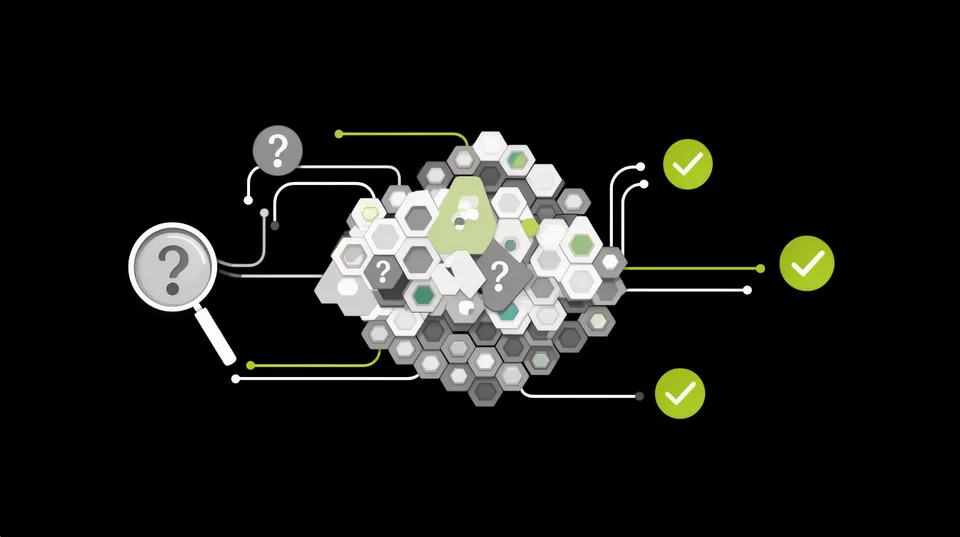
The security landscape in cloud environments is increasingly complex, driven by rapid innovation and expanded attack surfaces. The traditional approach of simply detecting vulnerabilities and logging them for manual review no longer suffices. The volume, velocity, and criticality of cloud alerts demand a more sophisticated, orchestrated response. This is where remediation orchestration platforms offer significant value, moving beyond detection-only tools to enable actual, production-safe fixes.
Tamnoon's platform provides the crucial bridge between an alert from tools like SentinelOne Singularity, Upwind, or Cyera and the actual, safe remediation of the underlying issue. It's not enough to be told you have an over-privileged service account. You need a system that can intelligently analyze its usage, suggest a least-privilege policy, generate the necessary IaC, and, with human oversight, apply that fix without disrupting critical applications. This transformation requires shifting from a mindset focused solely on detection to one that prioritizes measurable, automated remediation outcomes.
Building out this capability means investing in automated playbooks, integrating them with your existing tools, and carefully implementing human-in-the-loop processes for validation. It means treating remediation as a core part of your DevSecOps pipeline, not an afterthought. Adopting this approach allows organizations to scale their security operations without increasing headcount proportionally, improving efficiency, and drastically reducing their exposure to threats. The future of cloud security demands not just awareness, but decisive, automated action.
Reduce your MTTR by automating remediation with Tamnoon.

Tamnoon helps security teams remediate cloud risks faster with AI-augmented managed services — combining human expertise with automation so nothing falls through the cracks.
Learn more at tamnoon.ioFAQs
What is intelligent vulnerability remediation automation?
Intelligent vulnerability remediation automation involves using AI, machine learning, and predefined playbooks to automatically detect, prioritize, and fix cloud security vulnerabilities. It goes beyond simple alerting by actively generating and applying production-safe fixes, often integrated with Infrastructure as Code (IaC) and CI/CD pipelines. This approach aims to reduce the Mean Time to Remediation (MTTR) and operational overhead associated with manual security fixes, ensuring that vulnerabilities are not just identified but actively resolved quickly and safely. It balances speed with operational stability, often incorporating human-in-the-loop validation for critical changes.
How does intelligent automation help with alert fatigue?
Intelligent automation directly combats alert fatigue by reducing the sheer volume of alerts that require manual human intervention. Instead of security teams sifting through thousands of alerts and manually drafting remediation plans, automation can automatically triage, contextualize, and even fix many common vulnerabilities. This allows security personnel to focus on high-priority, complex, or novel threats that truly require their expertise, rather than repetitive, easily automatable tasks. By moving from detection to automated action, the signal-to-noise ratio improves significantly, making security teams more efficient and reducing burnout.
What does a 'human-in-the-loop' process mean for remediation?
A 'human-in-the-loop' process in remediation means that while many steps are automated, critical or complex changes require explicit approval or oversight from a human expert before being fully implemented. This hybrid approach ensures that automation delivers speed and consistency, while human judgment safeguards against unintended production impact or misconfigurations that automated systems might not fully predict. For example, an automated system might propose changing an IAM policy, but a security architect would review the proposed change, its potential blast radius, and approve its deployment. This ensures production safety in sensitive environments.
Which existing cloud security tools integrate with intelligent remediation platforms?
Intelligent remediation platforms are designed to integrate seamlessly with a wide range of existing cloud security tools to orchestrate a unified response. This includes Cloud Security Posture Management (CSPM) tools like Wiz, Orca Security, Prisma Cloud, and Palo Alto Cortex Cloud for vulnerability detection. They also connect with Cloud-Native Application Protection Platforms (CNAPP), SIEM solutions, and threat intelligence platforms. On the operational side, integrations extend to ticketing systems (JIRA, ServiceNow), version control systems (GitHub, GitLab) for IaC management, and CI/CD pipelines (Jenkins, AWS CodePipeline) for automated deployment of fixes.
What are the key benefits of implementing intelligent remediation automation?
Implementing intelligent remediation automation offers several key benefits crucial for modern cloud security operations. Firstly, it drastically reduces Mean Time to Remediation (MTTR), thereby minimizing the window of exposure to threats. Secondly, it enhances operational efficiency by automating repetitive tasks, freeing up security and DevOps teams to focus on strategic initiatives. Thirdly, it improves compliance by ensuring continuous adherence to security policies and regulatory frameworks. Fourthly, it bolsters overall security posture by proactively fixing vulnerabilities at scale. Finally, it ensures production stability through the use of production-safe playbooks and human-in-the-loop validation, preventing costly outages.