
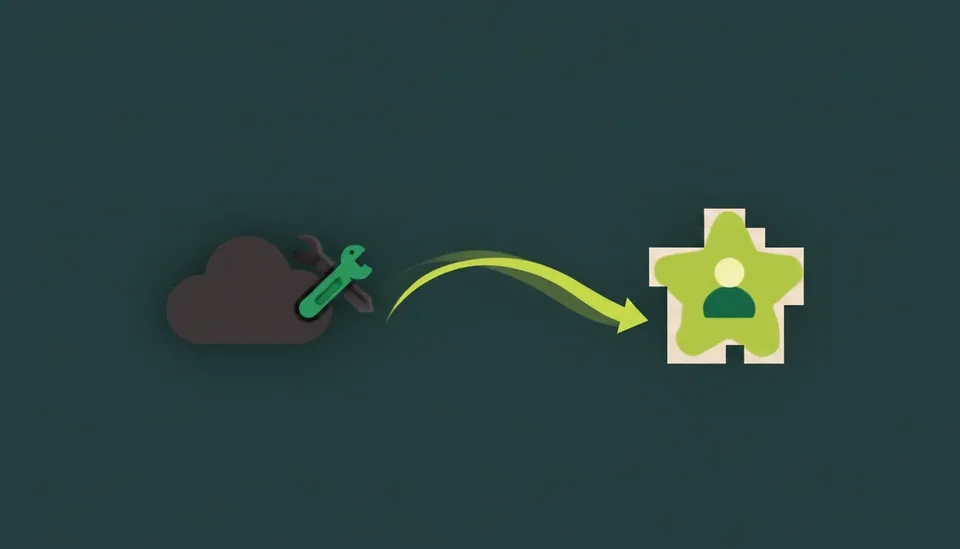

Agentic remediation is the use of AI-driven agents to autonomously analyze cloud security alerts and execute production-safe fixes. Unlike traditional automation, these agents apply contextual understanding and decision-making to adapt to complex cloud environments and resolve issues like misconfigurations. This shrinks the time from detection to resolution and reduces the alert backlogs that overwhelm security teams.
It goes beyond simple pre-defined scripts. Agentic systems interpret incoming alerts from tools like Wiz, Orca Security, or Palo Alto Cortex Cloud, then devise and implement tailored remediation steps. They understand the blast radius of potential changes, ensuring fixes do not disrupt critical services. This matters because organizations frequently struggle to address a high volume of alerts, and many teams fix only a small fraction of what they receive.
How Agentic Remediation Works
Agentic remediation works by deploying intelligent software entities, or agents, that operate inside the cloud environment. These agents receive security findings, often enriched with context from various cloud security platforms. They then analyze each finding against established policies and learned behaviors to determine the best course of action, which might involve generating Infrastructure as Code (IaC) changes or API calls.
For instance, if an agent detects an S3 bucket with overly permissive access, it will not just flag it. It assesses the bucket's usage, identifies the minimal necessary permissions, and applies those changes. This iterative process means the agent learns from previous remediations and improves its accuracy over time. The result is a lower mean time to remediation (MTTR) with far less manual intervention.
Agentic Remediation Versus Automation
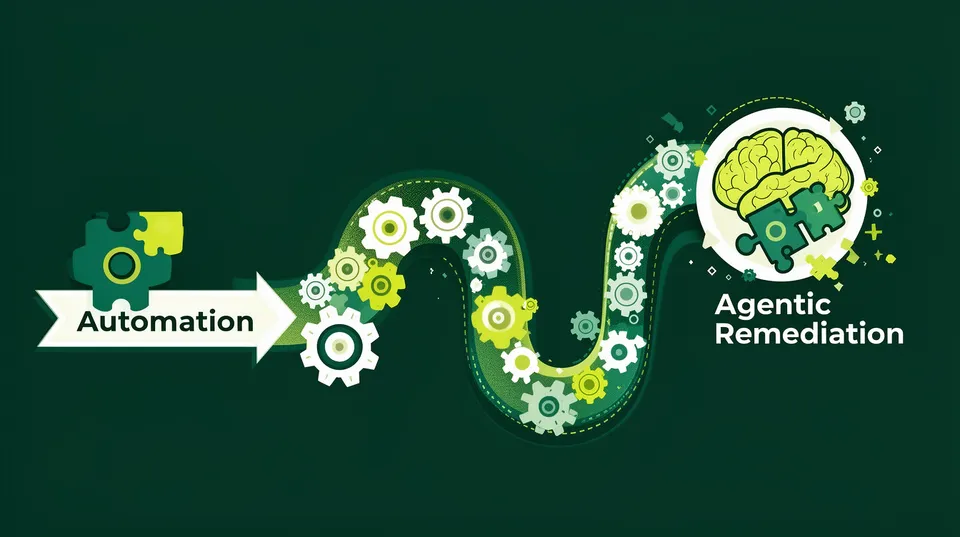
Although the terms are often used interchangeably, agentic remediation differs from basic automation in its adaptive intelligence. Automation strictly follows pre-programmed rules: if condition X is met, action Y occurs. Agentic systems add a layer of decision-making and learning on top of that.
Real cloud environments produce findings that are varied and interdependent, which is more than simple rule-based automation can handle. A static script applies the same action every time. An agentic system evaluates each finding in context, weighs the blast radius, and chooses a fix that matches the specific resource and its dependencies. That adaptability is what lets it resolve issues a fixed playbook would either miss or break.
Ensuring Safety and Production Stability
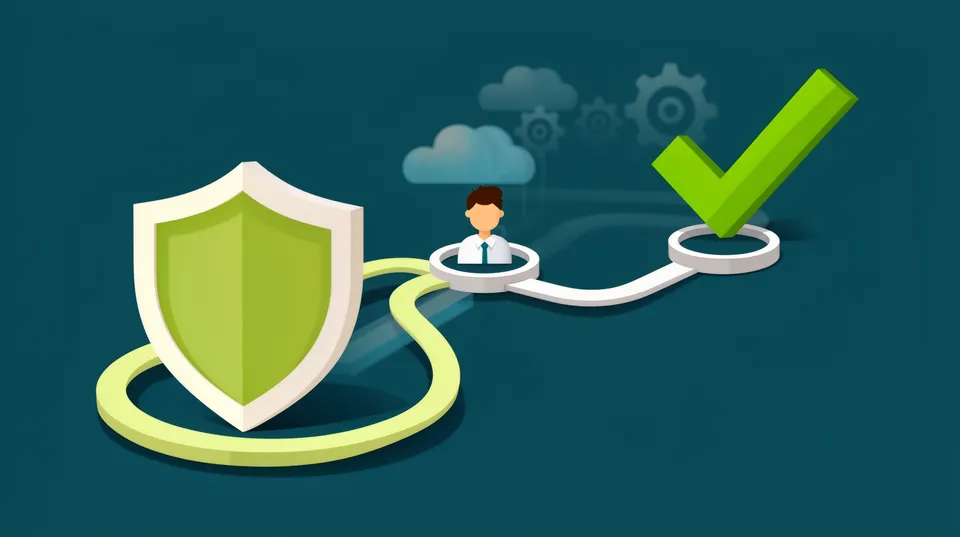
The primary concern with any automated system that touches production is safety. Agentic remediation platforms incorporate human-in-the-loop (HITL) mechanisms for critical changes, so cloud security experts review and approve suggested fixes for sensitive environments or complex scenarios. This hybrid approach keeps fixes production-safe and aligned with an organization's specific risk posture.
Tamnoon's agentic remediation platform builds verified remediation playbooks so changes are accurate and non-disruptive. These playbooks account for interdependencies and potential side effects, validating each proposed fix before it is applied. Combining intelligent automation with expert oversight prevents the unintended consequences that come with complex infrastructure.

Tamnoon helps security teams remediate cloud risks faster with AI-augmented managed services — combining human expertise with automation so nothing falls through the cracks.
Learn more at tamnoon.io