

SOC analysts drown in cloud security alerts generated by tools designed for detection, not resolution. Most organizations struggle to translate a flood of alerts into actionable fixes without disrupting live services. Cloud environments generate thousands of security findings daily, and while CNAPPs like Wiz, Orca Security, and Palo Alto Prisma Cloud excel at identifying these issues, they don't natively fix them. This creates a significant operational gap where security teams flag problems, and engineering teams are left to manually decipher, prioritize, and implement remediations, often without clear guidance on how to avoid production breakage. That's where smarter, production-safe remediation becomes critical.
The core problem isn't the volume of alerts alone. It's the lack of integrated, verifiable remediation workflows. Security teams become glorified auditors, passing tickets over the wall to overwhelmed development and operations teams. This friction increases mean time to remediation (MTTR) and leaves organizations exposed to known vulnerabilities for longer periods. Reducing alert fatigue It's making every alert lead to a precise, validated, and automated fix. Remediation should be part of the detection process, not a separate, manual afterthought.
Organizations need to move beyond mere detection and shift focus to the "last mile" of cloud security, ensuring that identified risks are not just reported but fixed efficiently and safely. This involves a strategic approach to orchestration, where AI-powered insights meet human operational expertise, particularly for complex cloud environments. The aim is to bridge the gap between identifying an issue and resolving it with minimal operational impact.
Understanding the Cloud Security Alert Overload
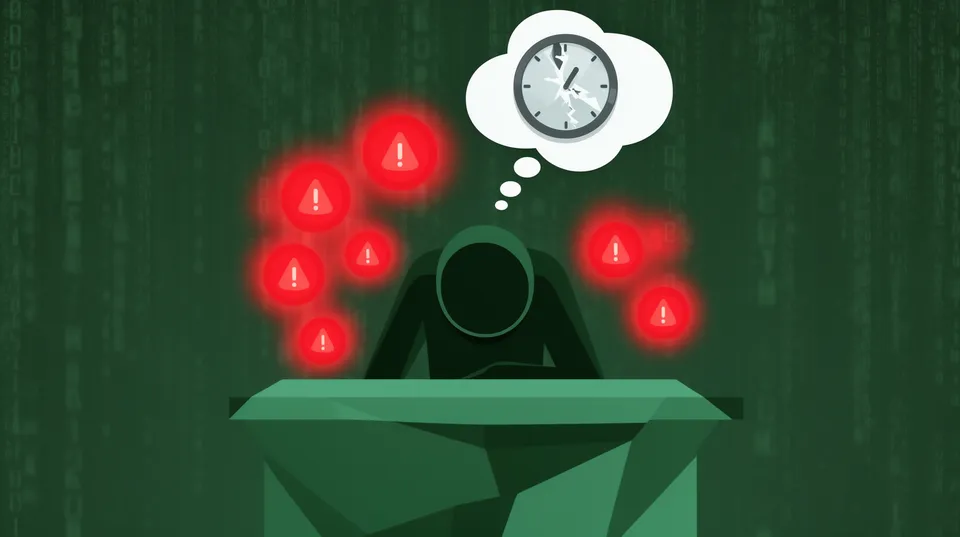
Modern cloud security tools, like AWS Security Hub, Azure Defender for Cloud, and Google Cloud Security Command Center, along with third-party CNAPPs, provide visibility into cloud infrastructure. They detect everything from misconfigured S3 buckets and overly permissive IAM roles to unpatched EC2 instances. While this depth of detection is valuable, it often leads to an overwhelming volume of alerts. SOC analysts are spending ~70% of their time triaging low-quality alerts, a statistic that highlights the efficiency drain caused by this alert deluge. This isn't just an inconvenience. It's a critical operational problem that prevents teams from focusing on high-impact threats and proactive security measures.
The sheer number of findings can obscure truly critical vulnerabilities. Teams often lack the context to differentiate between a theoretical risk and an immediate threat that requires urgent attention. Without clear prioritization based on exploitability, impact, and asset criticality, every alert gets treated with similar urgency, or worse, ignored. This leads to alert fatigue, where legitimate high-severity alerts are missed or delayed among a sea of low-priority noise.
For example, a typical CNAPP might report hundreds of findings related to IAM policies. Some might be trivial, like an unused role with broad permissions, while others could be critical, like an active access key exposed on a public GitHub repo. Without an intelligent system to prioritize and link these findings to potential blast radius or exploit paths, a SOC team faces a significant challenge in determining where to focus their limited resources. This is why more detection doesn't automatically mean better security. It simply means more data to process.
The Remediation Gap Between Detection and Fix
Identifying a cloud security issue is only half the battle. The real challenge lies in fixing it. Traditional security tools are built for detection and reporting. They'll tell you an S3 bucket is public, or an IAM role is over-privileged, but they won't automatically write the correct policy, apply the fix, and validate it hasn't broken an application. This gap between detection and remediation is what creates the operational friction between security and engineering teams. Security teams raise tickets, and engineering teams have to drop their feature work to become security fixers, often without adequate security context or knowledge of how to make changes without causing outages.
Consider an alert about an over-privileged IAM role. Diagnosing the exact permissions to remove requires understanding the application's runtime behavior, its dependencies, and its least-privilege requirements. Simply deleting permissions without this context can lead to application downtime. This is not a simple task that can be automated with basic scripting. It requires a deep understanding of cloud identity and access management, application architecture, and change management processes. The manual efforts involved in this diagnostic and remediation loop significantly stretch MTTR.
, cloud environments are . Changes happen constantly through Infrastructure as Code (IaC) deployments, CI/CD pipelines, and direct console modifications. A manual remediation might be a temporary fix if the underlying IaC template isn't updated. This creates a cycle where security issues reappear, leading to repeated alerts and wasted effort. Organizations need a system that integrates remediation into the development lifecycle, ensuring fixes are durable and prevent recurrence.
The Cost of Manual Remediation and Alert Fatigue
The manual toil of remediation takes a heavy toll on SOC teams and engineering departments. SOC teams experience burnout from constant alert triage, while engineering teams resent being pulled into reactive security firefighting. This operational inefficiency translates directly into increased risk and cost. Longer MTTR means critical vulnerabilities remain open and exploitable for extended periods. This increases the likelihood of a security incident, which can result in data breaches, reputational damage, and significant financial penalties.
The time spent on manual remediation also diverts valuable engineering resources from innovation and development. Every hour an engineer spends fixing a security misconfiguration is an hour not spent building new features or improving existing services. This creates tension between security and development, often leading to a perception that security is an impediment rather than an enabler of business objectives. According to a study conducted during Infosecurity Europe 2026, AI-powered attacks at scale are the biggest security concern facing many cybersecurity professionals. This concern is amplified when security teams are already struggling with basic manual remediation, making it even harder to address sophisticated, automated threats.
Manual processes are also prone to human error. A complex IAM policy adjustment or a network security group change, if done incorrectly, can introduce new vulnerabilities or cause unintended application outages. The verification process to ensure a fix works as intended and doesn't create new problems often involves significant manual testing, further delaying remediation and adding to operational overhead. The lack of standardized, repeatable remediation workflows compounds these issues, making each fix a custom, ad-hoc project.
Shifting from Detection to Actionable Remediation
The solution lies in shifting from a detection-centric security model to an action-oriented one. This means embracing remediation orchestration platforms that automate the entire lifecycle from alert to confirmed fix. Such platforms don't replace CNAPPs. They augment them, acting as the operational bridge that turns raw findings into production-safe changes. Tamnoon, for example, integrates with existing security tools like Wiz, Orca, Prisma Cloud, and SentinelOne Singularity to consume their alerts. It then applies AI-powered remediation logic and remediation playbooks to generate specific, code-based fixes.
This approach moves beyond simple notifications. It gives security teams the ability to specify not just 'what' is wrong, but 'how' to fix it, in a way that respects the nuances of the production environment. These aren't generic fixes. They're tailored remediation code snippets or IaC modifications designed to be safe, reversible, and validated. This significantly reduces the investigative burden on engineering teams, providing them with ready-to-implement solutions rather than just problems to solve. The goal is to make every alert actionable, reducing the cognitive load on security and development teams.
A crucial component of actionable remediation is the use of remediation playbooks. These are pre-configured, battle-tested workflows for common cloud threats, such as S3 exposure, IAM misconfigurations, or unencrypted storage. They encapsulate expert knowledge on how to fix specific issues without breaking production. When an alert comes in, the system can automatically match it to a relevant playbook, generate the precise remediation steps, and even execute them, often with a human-in-the-loop for validation on critical changes. This reduces the time engineers spend crafting fixes from scratch and ensures consistency in remediation efforts.
The Role of AI in Smarter Remediation
AI plays a transformative role in enabling smarter remediation by moving beyond static rule-based systems. AI-powered remediation engines analyze alert data, contextualize it with environment metadata, and predict the potential impact of changes. They can learn from past remediation attempts, identify common patterns, and suggest the most effective and least disruptive fix. This It's intelligence-driven assistance that accelerates decision-making and reduces human error. This is especially relevant given that as of today, there are over 120 vendors claiming to participate in the AI-SOC market, signaling a clear industry shift toward AI-augmented security operations.
For example, an AI engine can analyze an IAM policy violation, look at the historical usage patterns of the affected principal, and suggest a least-privilege policy that satisfies the application's needs without granting excessive permissions. The AI can also simulate the impact of applying that policy change, providing a high degree of confidence that it won't break production. This level of analysis is practically impossible for a human analyst to perform consistently across thousands of alerts. Tools like Swimlane Turbine also demonstrate the value of security automation platforms in mitigating alert fatigue, showing how orchestration can lead to more efficient operations.
Another benefit of AI is its ability to adapt and refine remediation strategies over time. As cloud environments evolve and new attack techniques emerge, the AI can learn to identify novel misconfigurations and develop appropriate countermeasures. This continuous learning cycle ensures that remediation capabilities remain relevant and effective, contrasting sharply with static playbooks that require constant manual updates. AI aids in making remediation proactive rather than purely reactive. It helps predict potential issues before they become critical, allowing earlier intervention and minimizing risk exposure.
Human-in-the-Loop for Production Safety
While AI can automate significant portions of the remediation process, critical cloud environments always benefit from human oversight for complex changes. The human-in-the-loop model combines the speed and scale of AI with the judgment and experience of skilled cloud professionals. For instance, Tamnoon's platform often uses an expert-led validation step for highly sensitive remediations. This means the AI may generate the proposed fix, but a human expert reviews and approves it before deployment, ensuring zero downtime and maintaining operational stability.
This hybrid approach is crucial for building trust in automated systems. It addresses the legitimate concern of security teams and DevOps engineers who worry about automated changes breaking production. By allowing humans to sign off on sensitive changes, organizations can gradually increase their comfort level with automation, eventually enabling more fully automated workflows for less critical fixes. The human element also provides a crucial feedback loop for the AI, allowing it to learn from human decisions and improve its future remediation suggestions.
The expert-led validation It's adding a layer of assurance. For changes that could lead to significant outages, like modifying core network configurations or critical database access policies, a brief human review is a small price to pay for production stability. This ensures that remediation is not just fast, but also fundamentally safe. The concept mirrors standard DevSecOps practices where code gets reviewed before deployment, extending that principle to automated security fixes.
Building Production-Safe Remediation Playbooks
The foundation of smart remediation lies in well-architected production-safe playbooks. These aren't generic scripts. They're verified code and scripts designed to resolve specific issues without impacting application uptime. Creating these playbooks requires collaboration between security architects, developers, and operations engineers. They must account for real-world cloud nuances, such as resource dependencies, regional configurations, and tag-based exclusions.
For example, remediating an over-privileged S3 bucket doesn't just mean making it private. It involves identifying which applications or services actually need access, crafting a precise bucket policy or IAM role that grants only the necessary permissions, and then thoroughly testing that the applications still function correctly. A production-safe playbook would include steps for:
- Identifying the public S3 bucket via a CSPM alert (e.g., from Wiz or Orca).
- Analyzing linked resources and access logs to determine current usage.
- Generating a least-privilege bucket policy or IAM role.
- Applying the policy in a staging environment or using dry-run capabilities.
- Monitoring application functionality post-remediation in a controlled manner.
- Applying the validated fix to production.
- Verifying the fix and closing the alert.
Tamnoon offers production-safe playbooks that are pre-built and customizable for various cloud platforms and services. These playbooks are developed with an understanding of operational stability principles, reducing the burden on in-house teams to create and maintain them from scratch. This allows organizations to move from detection to resolution much more quickly and confidently.
Integrating Remediation into the CI/CD Pipeline
True production-safe remediation extends beyond reactive fixes. It integrates into the software development lifecycle. By pushing remediation earlier into the CI/CD pipeline, organizations can prevent misconfigurations from even reaching production. This means embedding security checks that not only detect misconfigurations in IaC templates but also suggest or automatically apply remediation during development or deployment stages. This proactive approach significantly reduces the remediation backlog and the number of alerts reaching the SOC.
For instance, if a developer tries to deploy an IaC template for a storage bucket without encryption, the CI/CD pipeline can use Tamnoon's capabilities to identify the misconfiguration. Instead of just failing the build, it can suggest the exact code change required to add encryption, or even automatically apply the fix as part of the pipeline, subject to review. This shifts security left, making developers part of the remediation process rather than just recipients of security tickets.
This integration also helps establish an impervious cloud security configuration baseline, ensuring that all new deployments adhere to security best practices. By automating the fixing of detected issues at the source, organizations can dramatically reduce their attack surface and decrease the overall volume of alerts that require attention from the SOC. This is a critical step in turning the tide against alert fatigue and enabling security teams to focus on strategic initiatives rather than reactive firefighting.
Selecting the Right Remediation Orchestration Platform
Choosing a remediation orchestration platform involves evaluating its integration capabilities, remediation intelligence, and production-safe features. The platform must:
- Integrate broadly: It should connect with your existing CNAPPs (Wiz, Orca, Prisma Cloud), CSPMs, and cloud providers (AWS, Azure, GCP), as well as your ticketing systems and CI/CD tools.
- Offer AI-powered intelligence: Look for platforms that use AI to prioritize alerts, suggest precise remediations, and analyze the potential impact of changes.
- Provide production-safe playbooks: The platform should have a library of battle-tested, customizable remediation playbooks that prioritize operational stability.
- Support human-in-the-loop workflows: For complex or sensitive remediations, the ability to involve human experts for validation is essential.
- Automate validation: The platform should automatically verify that a remediation has successfully fixed the issue and hasn't introduced new problems.
Without these capabilities, a remediation platform risks becoming another alert generator, creating more noise rather than providing actionable solutions. The goal is to move beyond mere checklists and toward automated, verifiable problem-solving. This ensures that security investments translate directly into tangible risk reduction and operational efficiency.
The Future of Cloud Security Remediation
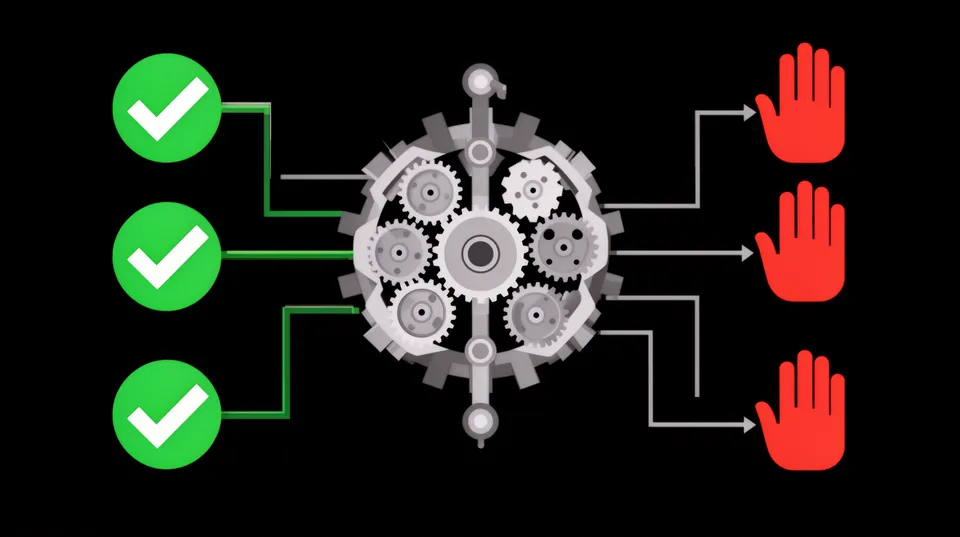
The future of cloud security lies in autonomous, self-healing cloud environments. While we're not fully there yet, the trajectory is clear. AI advancements will continue to refine remediation capabilities, making them smarter, faster, and safer. Organizations will move towards a state where most common cloud misconfigurations are automatically detected and fixed with minimal human intervention, often within minutes instead of days or weeks.
This shift will free up SOC analysts to focus on true threat hunting, strategic security initiatives, and responding to novel, complex attacks that require human creativity. It will transform the SOC from a reactive alert-processing center into a proactive intelligence hub. This evolution will fundamentally change how security and operations teams collaborate, fostering a more secure and efficient cloud ecosystem. Reducing your MTTR by automating remediation with Tamnoon.

Tamnoon helps security teams remediate cloud risks faster with AI-augmented managed services — combining human expertise with automation so nothing falls through the cracks.
Learn more at tamnoon.ioFAQs
What is cloud security alert fatigue?
Cloud security alert fatigue occurs when security teams are overwhelmed by a high volume of alerts generated by various cloud security tools. Many of these alerts are false positives, low-priority, or lack sufficient context, leading analysts to become desensitized and overlook critical threats. This phenomenon significantly increases the mean time to remediation (MTTR) because teams spend excessive time triaging, leaving actual vulnerabilities unaddressed for longer periods, thereby increasing an organization's risk exposure. It drains resources and causes burnout among security personnel, making efficient security operations nearly impossible.
How do CNAPPs contribute to alert fatigue?
Cloud-Native Application Protection Platforms (CNAPPs) such as Wiz, Orca Security, and Palo Alto Prisma Cloud are highly effective at detecting a vast array of cloud security misconfigurations and vulnerabilities. They provide comprehensive visibility across an organization's cloud estate. However, their primary function is detection and reporting, not remediation. While they excel at identifying thousands of potential issues, they often don't provide the automated, production-safe mechanisms to fix them. This results in a massive influx of alerts that still require manual investigation and remediation by human teams, directly contributing to alert fatigue by creating an operational backlog.
What's the difference between detection and remediation in cloud security?
Detection involves identifying security vulnerabilities, misconfigurations, or threats within a cloud environment, typically performed by tools like CNAPPs or CSPMs. Remediation, on the other hand, is the actual process of fixing those identified issues, whether through policy changes, configuration adjustments, or code modifications. The critical difference is that detection tells you there's a problem, while remediation solves it. Many organizations have robust detection capabilities but significant gaps in their remediation processes, leading to prolonged exposure to risks even after they've been identified.
How does AI-powered remediation ensure production safety?
AI-powered remediation platforms, like Tamnoon, ensure production safety by analyzing the context of an alert, understanding the cloud environment's dependencies, and simulating the impact of proposed changes before implementation. They use historical data and learned patterns to generate precise, least-privilege fixes. Often, these platforms incorporate a 'human-in-the-loop' mechanism, where AI suggests remediation steps, but a security expert reviews and approves complex or high-risk changes. This hybrid approach combines AI's speed and scale with human judgment, preventing unintended outages and ensuring fixes are robust and stable.
Why is integrating remediation into the CI/CD pipeline important?
Integrating remediation into the CI/CD pipeline is crucial for 'shifting left' security. This means catching and fixing misconfigurations and vulnerabilities during the development and deployment phases, before they ever reach production. By automating remediation within the pipeline, issues detected in Infrastructure as Code (IaC) templates or application code can be automatically corrected or suggested for immediate developer intervention. This proactive approach drastically reduces the number of security alerts that make it to the SOC, lowers the overall attack surface, and minimizes the cost and effort associated with fixing problems in live production environments, ultimately improving security posture and operational efficiency.